Boeing's Starliner gets a second act as Dragon winds down
NASA is expected to order two more crewed Starliner flights from Boeing and help pay for thruster fixes, as SpaceX prepares to retire Crew Dragon.
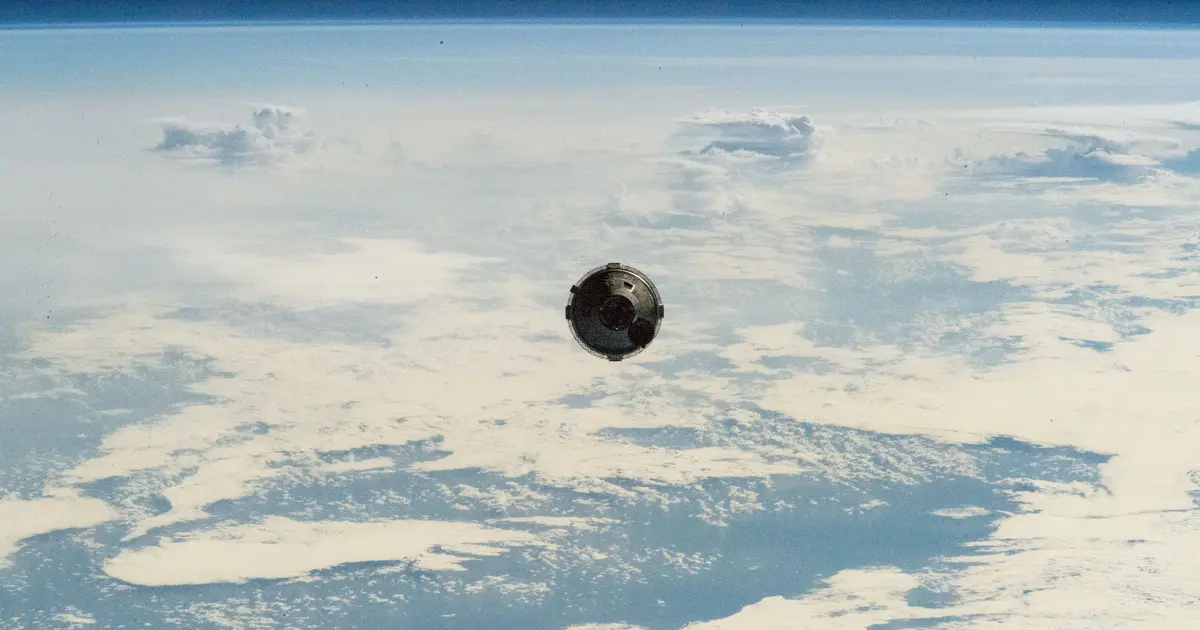
Boeing's Starliner looks set for a second act. NASA is preparing to order two more crewed Starliner missions and to help pay for the thruster fixes the spacecraft still needs, according to reporting by Ars Technica, in a notable reversal for a vehicle that has spent two years parked after a near-disaster in orbit.
What NASA is planning
Multiple sources told Ars Technica that the agency will announce as early as next week that it will order two additional crewed flights from Boeing, cover part of the cost of fixing Starliner's thruster problems and support certification of the spacecraft on a new rocket. The trigger is SpaceX. Crew Dragon is currently the only operational vehicle NASA has for routine astronaut flights to low Earth orbit, and the company has told the agency it intends to retire Dragon by 2030, if not before, as it pivots towards Starship and its satellite constellations.
Dragon's exit, and the money already spent
SpaceX has begun saying so in public. Asked on the All-In Podcast whether the company would keep flying Crew Dragon for some time, president and chief operating officer Gwynne Shotwell would not commit. "We're not retiring it today, for sure," she said, before pointing at the other provider: "Boeing has been paid, I think, probably more than we have been paid to develop their human capsule. So we're just gonna let them have some business. They should fly their capsule. The government paid a lot of money for that." The figures back her up. Since 2010 NASA has paid about $3.1 billion for the development and certification of SpaceX's vehicle and about $5.1 billion for Boeing's. Dragon has flown 13 crewed missions to the International Space Station without a failure, with the next due in October. Starliner has struggled: its uncrewed test flights in 2019 and 2022 both ran into trouble, and thruster failures on its first crewed test in June 2024 nearly cost two astronauts their lives. NASA classified that flight as a Type A mishap in February 2026, and Butch Wilmore and Suni Williams came home aboard a Crew Dragon instead.
The rocket problem
Starliner's Atlas V launcher is near retirement, with six rockets left: one for an uncrewed Starliner 1 test flight and five for crewed missions. A competition for a replacement is expected to come down to United Launch Alliance's Vulcan or Blue Origin's New Glenn. Flying Starliner on New Glenn would hand Blue Origin a free certification of its rocket for human spaceflight, along with crew facilities its own crewed Space Vehicle could use later. Private space station operators, who have struggled to get crew transport priced for the 2030s, at least gain one firm answer.
Our opinion
Keeping Starliner alive is a pragmatic bet on having somewhere to put astronauts in the 2030s, and it is also an admission that NASA's plans for low Earth orbit have been thinner than the slide decks suggested. Paying Boeing to fix thrusters it should arguably have fixed years ago, on a capsule already declared a Type A mishap, is not a comfortable use of public money. The alternative is worse, though: a decade in which the only ride to orbit belongs to a company that has decided to move on to other business. The concern here is not competition but the lack of it, and the pricing that usually follows. Boeing's incentives have been a fair question for years given how much it has lost on the programme, and NASA appears to have settled on meeting the company halfway rather than opening a fresh competition for the 2030s. That makes the launch question more interesting than the ordering one. Putting Starliner on New Glenn would turn Blue Origin's rocket into a human-rated vehicle on NASA's budget, and every station operator watching this should care about that more than about Boeing's fate. Starliner has to fly, be fixed and be cheap enough to matter, and only the first of those looks close to certain.