NASA and SpaceX target 1 October for Crew-13
NASA and SpaceX are targeting 11:10 a.m. EDT on Thursday 1 October as the earliest launch opportunity for Crew-13, with docking at the station planned for about 8 p.m. the same day.
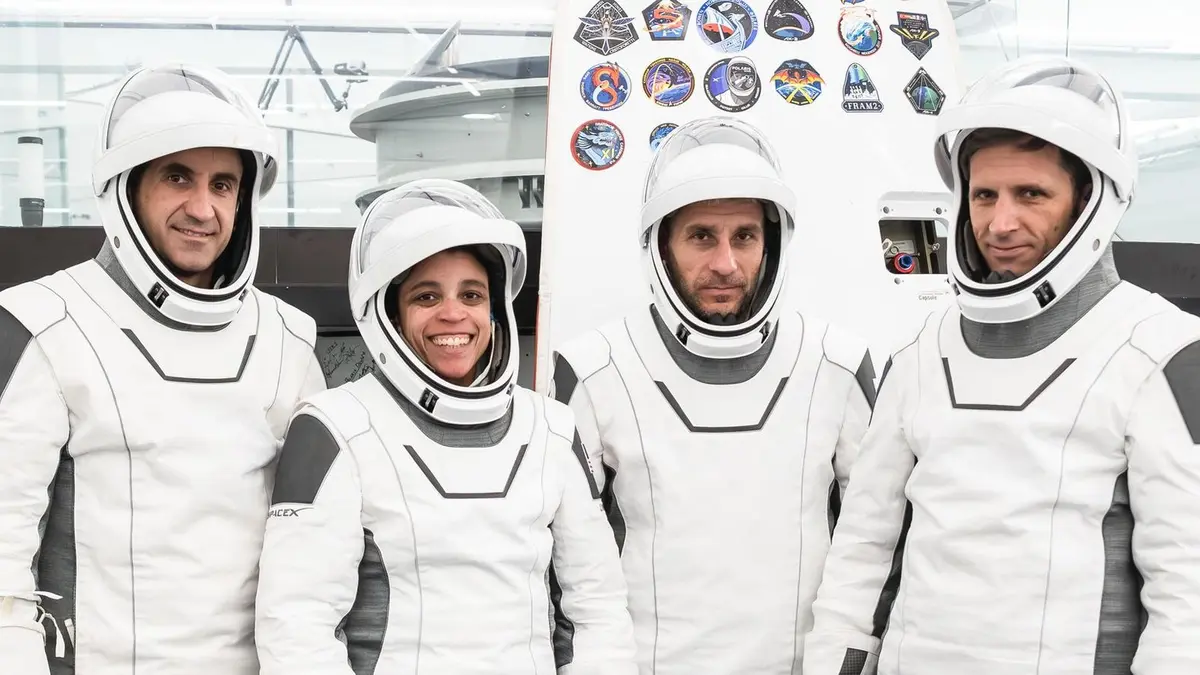
NASA and SpaceX have moved Crew-13 into final prelaunch preparation, naming 11:10 a.m. EDT on Thursday 1 October as the earliest launch opportunity for the mission to the International Space Station. Liftoff would be from Space Launch Complex 40 at Cape Canaveral Space Force Station in Florida.
Who is flying, and when they arrive
NASA astronaut Jessica Watkins is spacecraft commander and Luke Delaney is pilot. Joshua Kutryk of the Canadian Space Agency and Roscosmos cosmonaut Sergey Teteryatnikov fly as mission specialists. On a 1 October launch the crew would reach the station in under nine hours, with docking planned for about 8 p.m. at the forward-facing port of the Harmony module. The four would then join Expedition 75.
The reviews still outstanding
Teams have prelaunch activities and what NASA calls intensive reviews left to work through before the date is committed, confirming the crew, the station, SpaceX’s Dragon spacecraft and the Falcon 9 rocket are ready. Crew-13 is in quarantine at the agency’s Johnson Space Center in Houston and is due to travel to NASA Kennedy on Saturday 26 September.
A launch date that has already moved once
The 1 October target is an earliest opportunity rather than a fixed date, and this flight has slipped before. On 29 August NASA and SpaceX pushed the launch back to address an oxidiser leak on Dragon’s propulsion system found during standard prelaunch processing, with joint teams running extra tests and data review and completing any necessary rework before flight. The crew, the launch pad and the Expedition 75 handover have been unchanged since then.
Our opinion
Crew rotation has quietly become the least dramatic and most load-bearing part of the station programme. An oxidiser leak was found during routine processing, teams ran the extra tests, and the schedule moved without any suggestion that the station would go short-handed. That restraint is a genuine achievement of the commercial crew model, and it is also the reason the model is worth arguing about. The launch date arrives with the word earliest attached rather than a guarantee, because the hardware is young enough that leaks still surface in processing, and NASA has spent a decade trying to make certain that more than one spacecraft can carry the job. Until that second option is flying regularly, every handover on the station depends on a single Dragon, a single Falcon 9 and a single pad in Florida.