NASA keeps SpaceX flying crews to the station until 2030
NASA has added Crew-15, Crew-16 and Crew-17 to SpaceX's commercial crew contract for $946m, taking the company to 17 station missions through 2030.
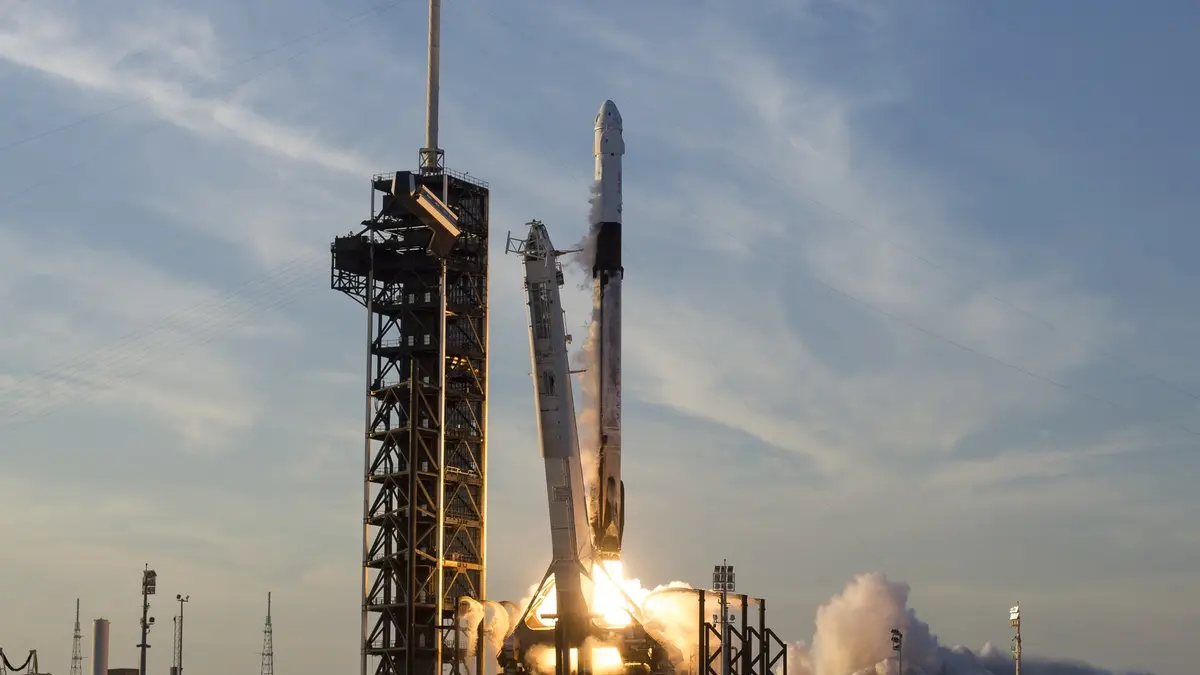
NASA has bought three more crewed rides to the International Space Station, adding Crew-15, Crew-16 and Crew-17 to SpaceX's commercial crew contract in a modification worth $946 million. The agency announced the change on 18 September, taking SpaceX's total under the deal to 17 missions.
What NASA actually bought
The $946m covers all three flights and the services that come with them: ground, launch, in-orbit, and return and recovery operations, cargo transportation on each mission, and a lifeboat capability while Dragon is docked to the station. It is a firm fixed-price modification to an indefinite-delivery, indefinite-quantity contract, and the period of performance runs through 2030.
That takes the total value of SpaceX's Commercial Crew Transportation Capability contract - CCtCap, in NASA's shorthand - to $5.92 billion. The award follows a notice of intent the agency issued in May, and NASA notes the sole-source modification does not stop it buying additional missions later if it needs them.
The arrangement goes back to 2014
NASA handed the CCtCap contracts to Boeing and SpaceX in 2014 under a public-private partnership, with the agency certifying a provider's space transportation system before it flies astronauts. SpaceX was certified for crew transportation in November 2020, and its twelfth crew rotation mission, Crew-12, is docked to the station now. Dragon and Falcon 9 carry up to four astronauts at a time, along with cargo.
NASA's own framing for the purchase is access: the change, it says, "helps NASA to maintain access to the space station with two unique commercial crew industry partners".
Why NASA buys flights rather than owning rockets
The model matters more than the headcount. Instead of owning and operating a crew vehicle of its own, NASA certifies commercial spacecraft and buys missions and seats as services, which keeps two independent routes to orbit alive and leaves the hardware, the launch pad and the standing workforce on the provider's books. Extending the contract through 2030 keeps crew rotation covered for the rest of the decade.
Our opinion
The number worth staring at is not the $946m but the $5.92bn sitting behind it. Across 17 missions that averages out at roughly $348m a flight, and the three new ones land near $315m each even with the cargo runs and the on-orbit lifeboat duty bundled in - which looks steep until you cost the alternative, a NASA-owned crew vehicle with its own pad, its own engineers and no other customers to share the bill. The line that actually tells the story is the one about two partners: the agency is paying to keep a second certified route on the books, and the May notice of intent shows it planned this purchase rather than scrambling into it. Buying launch like a subscription is exactly what NASA set out to build in 2014, and this modification is that idea working.