SpaceX books 22 September for Starship's orbital debut
SpaceX is targeting 22 September for Starship's first flight to orbit: a ten-hour mission to deploy 26 Starlink V3 satellites before a splashdown in the Pacific.
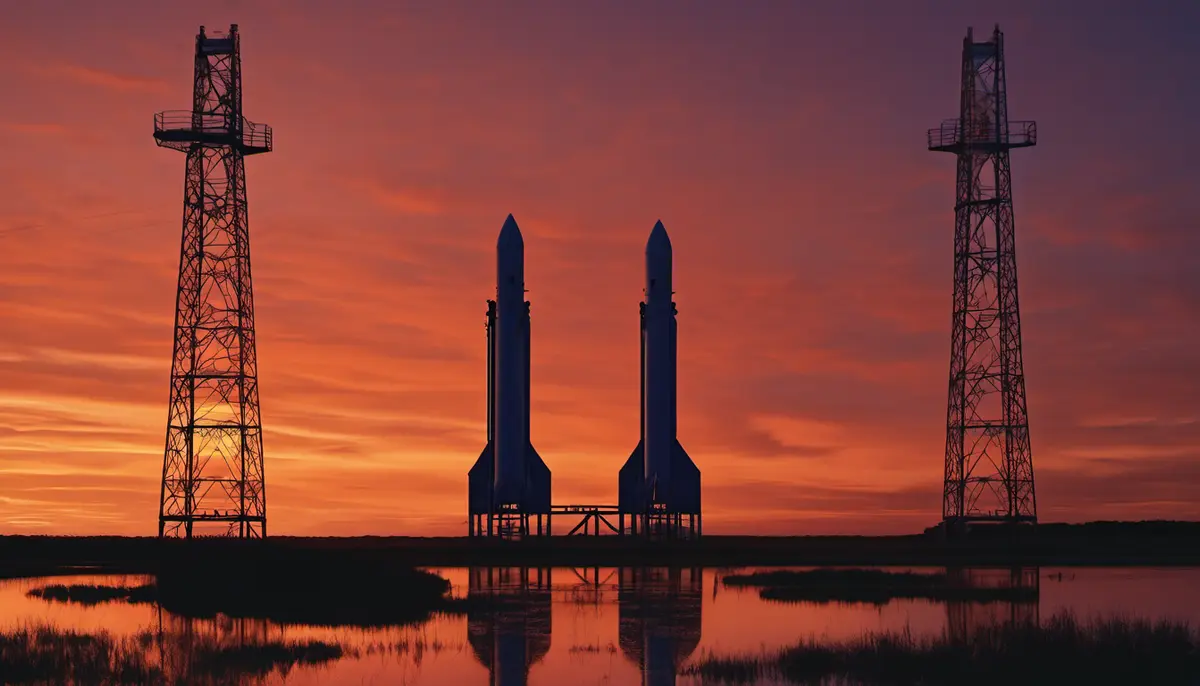
SpaceX finally has a date for the flight it has spent three years working towards. Starship Flight 14 is targeting liftoff on Tuesday 22 September from Starbase in South Texas, and this time the company means to put the vehicle into orbit rather than throw it on a suborbital arc and count the data. The 75-minute window opens at 07:15 local time — 13:15 here in the UK, 12:15 GMT — and everything hinges on regulators, which is why SpaceX says "as soon as" Tuesday rather than promising it.
When is Starship Flight 14 launching, and how can I watch it?
Tuesday 22 September, with the window open from 07:15 to 08:30 CT, or 13:15 to 14:30 in British Summer Time. The webcast starts about half an hour before liftoff and SpaceX intends to keep it running through splashdown, which is a long shift: this mission is planned to last almost ten hours. Because this is developmental hardware the date can move, and SpaceX is upfront that the schedule is dynamic and that its X account is where changes surface first.
Why does reaching orbit matter so much?
Every Starship flight so far has deliberately flown what SpaceX calls a passively safe suborbital trajectory — a path chosen so that if the ship broke apart, the debris would come down over the sea instead of re-entering above anyone's head. That was the sensible call for thirteen test flights. It also meant the vehicle never had to demonstrate the one capability it needs in order to deploy satellites, refuel in orbit or go to the Moon. Flight 14 changes that, and SpaceX's own framing is blunt about why: going to orbit is what lets the next phase, turning Starship into something fully and rapidly reusable, actually begin.
What is Starship carrying?
Twenty-six Starlink V3 satellites, the first of the new generation to fly. Each is rated to add 1 Tbps of capacity, so one launch carries 26 Tbps — roughly ten times what a Falcon 9 launch of the smaller V2 mini satellites brings up. The satellites are expected to unfold their antennas and solar arrays, make contact with the ground and the rest of the constellation over radio and laser links, then raise their own orbits, and SpaceX says they could start serving customers within a few weeks of launch. Three of the 26 also carry cameras pointed back at Starship's heatshield, which is a neat piece of self-interest: SpaceX wants imagery of its own tiles on the way up.
What is the booster doing, and what changed after Flight 13?
Super Heavy's job on Flight 14 is a clean launch, ascent, stage separation, boostback burn and a landing burn at an offshore point in the Gulf — no tower catch attempt this time. That is a direct response to Flight 13, when the booster used all 33 of its engines on the boostback burn for the first time and then ran into trouble. Ice clogging in the three centre engines cut the manoeuvre short, and the booster later relit only 8 of the 13 planned engines before hitting the water hard. The booster flying on Flight 14 has hardware changes intended to improve engine filtering and software changes meant to make relight more reliable.
Has SpaceX fixed the heatshield?
Nobody should claim that yet, but this flight carries the biggest set of tile changes so far. There are extra retention mechanisms on the tiles judged likeliest to come off during ascent, design changes to close off the flow paths that let plasma get behind tiles, and several areas flying a curved tile profile that has been shown to cut heating in the gaps between them. Two tiles recovered from Ship 40 are being reflown on Ship 41, which is the first tile reuse in the programme and a small, telling step towards the maintenance model SpaceX needs if flying often is ever going to be cheap.
What has to go right before Starship commits to orbit?
Starship will only perform its orbital insertion burn once the flight control team is satisfied there is enough redundancy in the hardware critical to the deorbit burn at the end of the mission. That is the right order of operations, and the timeline shows how much of the mission happens after the exciting bit: orbital insertion is planned for about 25 minutes after liftoff and takes 19 seconds, the 26 satellites deploy between roughly 34 minutes and 65 minutes, and the deorbit burn comes nearly nine hours in. One Raptor engine does that work, followed by entry, descent and splashdown at around nine hours 50 minutes. If the redundancy is not there, skipping orbit is the safe outcome rather than putting a ship in the sky that nobody can bring down.
Our opinion
Fourteen flights to reach orbit is a long road, and it is worth being honest about why: this milestone has slipped because of hardware, not ambition. The orbit insertion itself is not the hard part — a 19-second burn is well within what a rocket of this size should manage. The hard part is the deorbit burn eight hours later and the heatshield that has to survive it, because a vehicle that can only reach orbit is a launcher, and the thing SpaceX has actually sold the world is one that comes back and flies again. That is why the most interesting line in the mission description is the smallest: two tiles recovered from Ship 40, reflown on Ship 41. If Starship's tiles can fly twice, reuse stops being a promise and becomes arithmetic. Watch the launch by all means, but set an alarm for the Pacific, west of Chile, about nine hours and fifty minutes in.
- Flight 14 is targeting liftoff on Tuesday 22 September from Starbase in South Texas, pending regulatory approval
- The 75-minute launch window opens at 07:15 CT, which is 13:15 in the UK and 12:15 GMT
- It is planned as the first Starship flight to reach orbit; the previous 13 all flew suborbital trajectories
- Starship aims to fly about 275 km up, complete roughly six orbits and splash down in the Pacific west of Chile
- Payload: 26 Starlink V3 satellites, each rated at 1 Tbps of capacity — 26 Tbps in total
- Three of the satellites carry cameras to inspect Starship's heatshield from orbit
- The booster targets an offshore landing burn, with new engine filtering after Flight 13's ice-clogged boostback
- SpaceX will only commit to the orbit burn once it has redundancy on the hardware needed for deorbit