A German utility is selling gamers their own electricity tariff
SWK Energie, the municipal utility for Krefeld, has launched meinGAMING, an electricity tariff aimed at households that burn through more than 2,500 kWh a year on gaming, streaming and everything else.
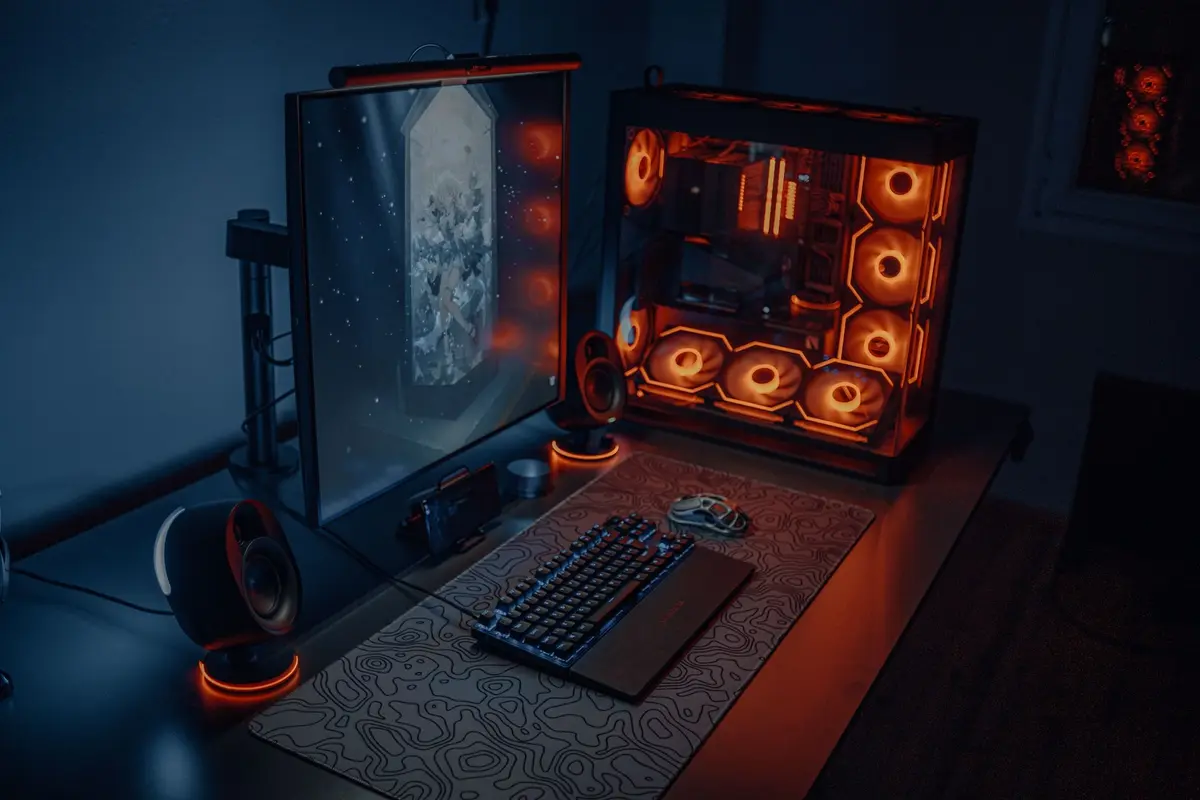
A German municipal utility is betting that gamers will switch energy supplier. SWK Energie, the Stadtwerke for Krefeld, has launched meinGAMING, an electricity tariff marketed directly at high-consumption households — the kind running several gaming PCs, charging more than one electric car, or streaming in 4K for most of the day.
What the tariff actually offers
This is not a gimmick bolted onto a standard plan. meinGAMING pairs a low unit rate with a higher standing charge, and SWK says it becomes worthwhile for households using more than 2,500 kWh a year, whether that demand comes from gaming, streaming or simply a lot of devices running at once. Customers can fix the price for 12 or 24 months. The company says the electricity is fully renewable, drawn from European hydroelectric plants and backed by certificates of origin certified by TÜV NORD. SWK also states on its own site that the tariff is currently unavailable to new customers, a sign of how quickly a targeted offer can be oversubscribed.
Gamer branding is nothing new
Pitching to players is well-trodden ground for hardware makers and peripheral brands, and SWK is not the first organisation to notice that gamers consume power for unusually long stretches. Militaries have followed the same logic: the US Army has used gaming in recruitment campaigns, and the Royal Navy has fitted out a ship with high-end gaming PCs for its sailors. The novelty here is a utility applying that thinking to a domestic energy contract rather than a product.
Our opinion
Most gamer branding is a sticker and most energy marketing is a number, so a utility that combines the two into something genuinely useful is rarer than it sounds. A low unit rate with a high standing charge is exactly wrong for a one-person flat and exactly right for a household that leaves a 1,000-watt rig running every evening, and stating the 2,500 kWh threshold plainly is more than most gamer-targeted products manage. The renewable claim deserves the scepticism it will attract, because certificates of origin prove that clean volumes were bought, not that the electrons arriving at a wall socket were green. The real significance is demographic: if a Stadtwerk in Krefeld can build a product on gaming as an ordinary domestic habit, the hobby has stopped being a niche to court and started being a load profile to price.
Photo by Atahan Demir on Pexels