US data centres could burn more gas than Germany and Japan
BloombergNEF now expects US data centres to burn roughly 18 billion cubic feet of natural gas a day by 2035, nearly double its forecast from nine months ago.
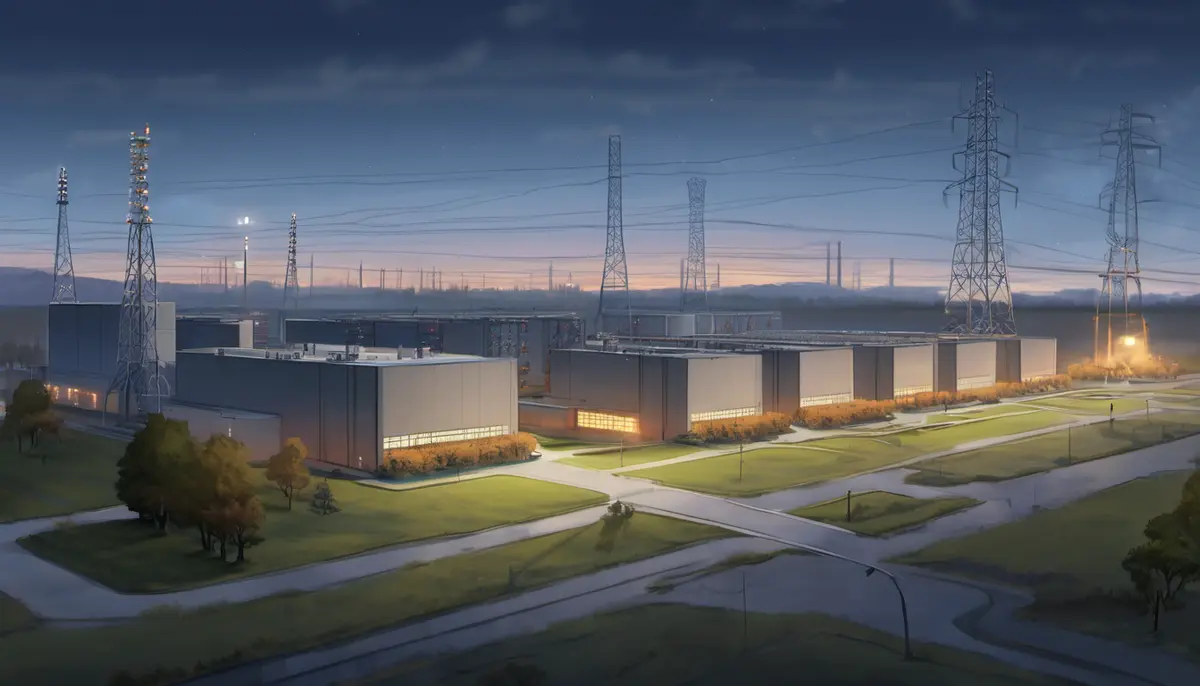
American data centres are on course to burn more natural gas than Germany and Japan put together. A new BloombergNEF forecast puts the country’s data centre gas consumption at roughly 18 billion cubic feet a day by 2035, nearly double the figure the research firm published just nine months ago.
What’s actually going on
The projection makes data centres the second-strongest driver of natural gas demand growth in the United States over the next decade, behind only liquefied natural gas exports. BloombergNEF says the revision factors in that not every announced data centre project will actually get built, yet demand still climbs sharply.
The growth splits into two piles. Facilities that generate their own power on site — the behind-the-meter plants that Meta, Microsoft, Google and Amazon have all announced — are expected to consume between 2.9 billion and 3.4 billion cubic feet per day by 2035. That is roughly as much gas as the entire US data centre fleet uses today, including the gas burned to generate grid electricity for it.
The grid does most of the work
Most of the additional demand arrives through the power sector rather than private plants. BloombergNEF expects grid-connected data centres to add around 15 billion cubic feet per day of gas consumption by 2035, which trade coverage of the report describes as five times more demand growth than every other grid-connected sector combined.
Reporting on the forecast also notes that the revision is a jump of roughly 117 per cent on the previous estimate of 6.9 billion cubic feet per day, and that the small modular reactors hyperscalers are investing in — including Ampera’s printed thorium design and Valar Atomics’ Ward 250 microreactor — are still years away from commercial operation. Gas turbines are filling that gap.
Our opinion
The interesting part of this forecast is not the number, which will be revised again, but the direction of travel. AI’s power bill is being paid with the same fuel the industry spent a decade promising to move away from, and the plant being ordered now will still be running in the 2040s. Data centres that bypass the grid make that harder to police, not easier. Operators should be forced to publish what they are burning, because a forecast this size stops being an energy story and becomes a planning story.