Raspberry Pi Desktop comes to PC and Mac with Debian Trixie
Raspberry Pi has released a rebuilt Raspberry Pi Desktop for PC and Mac, moving to 64-bit Debian Trixie for the first time and bundling the Raspberry Pi Connect client.
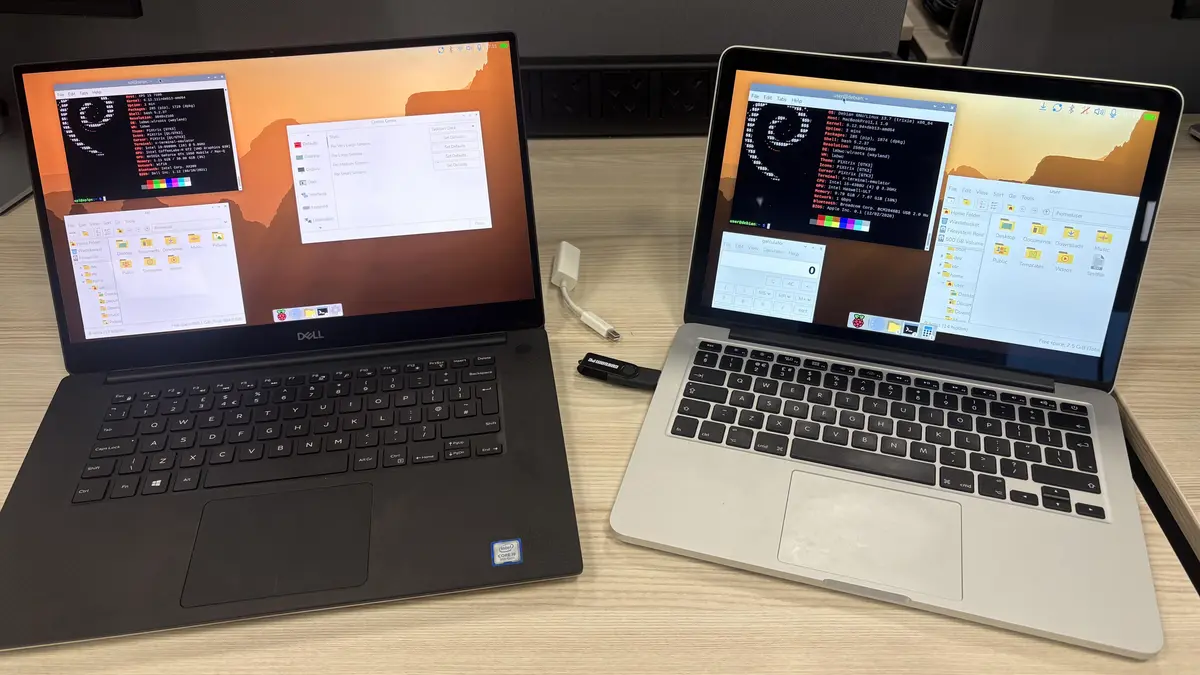
Raspberry Pi has released Raspberry Pi Desktop for PC and Mac, an installable build of its own desktop running on Debian Trixie. The company says it is the first update in years to the PC and Mac edition, and that the image now ships with the Raspberry Pi Connect client, so a laptop or desktop can be reached from the same device list as a Raspberry Pi.
64-bit, and no Apple Silicon
The release moves the PC and Mac builds from 32-bit to 64-bit Debian on the amd64 architecture, after Debian ended 32-bit support for PC hardware. Raspberry Pi says most computers built in the past 15 years, and most Intel-based Macs, should run it. Apple Silicon Macs are left out, because Debian's support for that hardware is still experimental.
How to run it
Raspberry Pi Desktop is distributed as a live Debian image. Write the ISO to a USB stick, boot from it and choose “run with persistence” to keep any changes on the stick, or reset persistence to wipe them. Once booted, the Calamares installer — reachable from a desktop shortcut or from the Install Raspberry Pi OS entry under System Tools — can put the system on a computer's own drive.
The PC and Mac edition began in 2016 as a weekend experiment and was handed out as a bootable DVD on the cover of The MagPi before an installable release followed in 2017. Updates for Debian Buster and Bullseye kept it alive, after which the project stalled while the engineering team worked on other things. Raspberry Pi says it still receives two or three emails a week asking when the PC build would return.
Our opinion
Raspberry Pi is candid about why the PC build went quiet: the company sells computers, not software, so maintaining a free desktop for other people's machines was hard to justify. That makes the revival more interesting than a routine download. Raspberry Pi Connect is the tell, because turning other laptops into nodes inside a Raspberry Pi account seeds a remote-access ecosystem without selling a single board. The new Control Centre and dock also give the desktop a coherent look it has lacked since the Bullseye days. Nine years is a long time to leave a loyal audience waiting, so the real test is whether the next build arrives sooner.