Raspberry Pi raises 2GB Pi 4 and Pi 5 prices by $12.50
Raspberry Pi has added $12.50 to the 2GB Raspberry Pi 4 and Pi 5 boards, blaming two years of steep memory cost rises it can no longer absorb.
What has changed
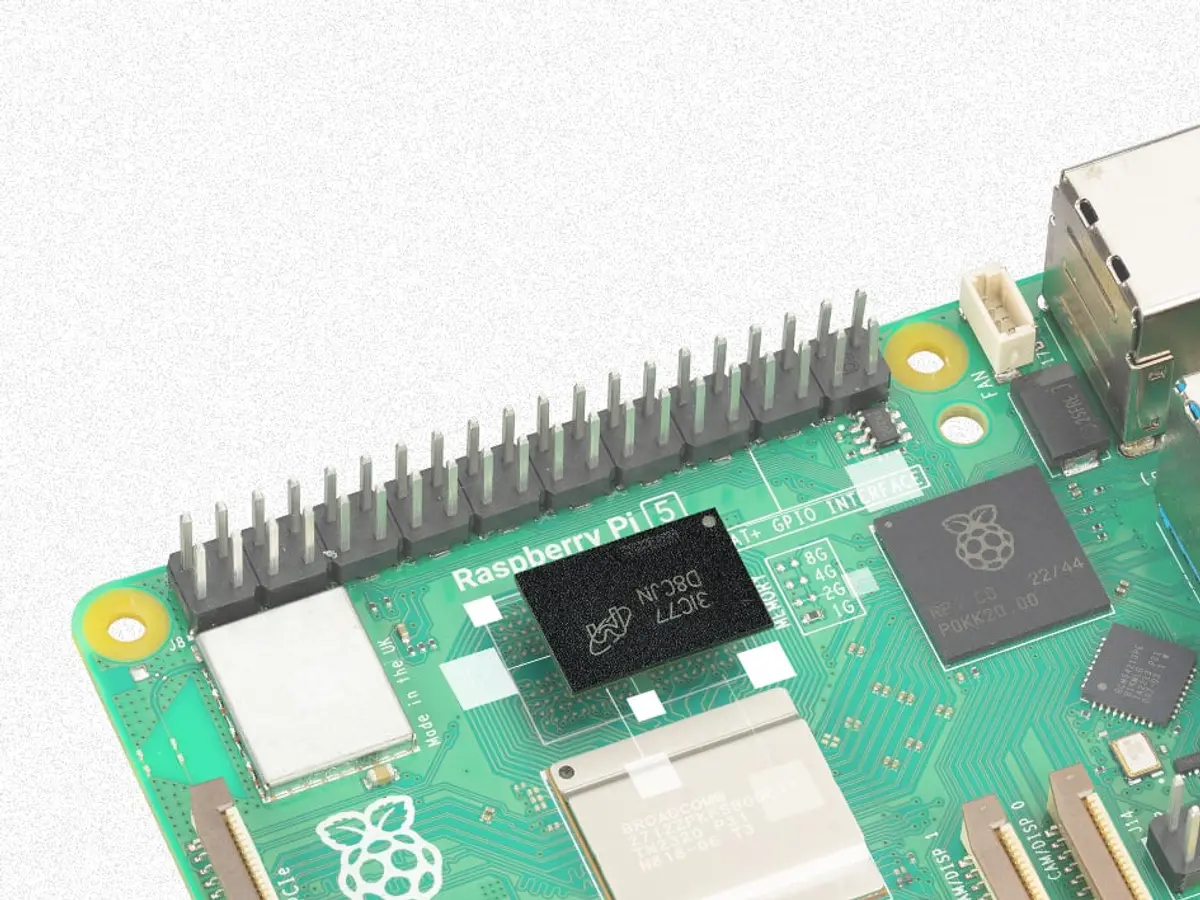
Raspberry Pi has raised the price of its 2GB single-board computers, adding $12.50 to the Raspberry Pi 4 and Raspberry Pi 5 models that had been spared the last round of increases. The 2GB Raspberry Pi 4 now costs $67.50, and the 2GB Raspberry Pi 5 moves to $77.50. The change took effect on 1 October 2026.
Everything else stays where it is. Raspberry Pi says the 1GB Raspberry Pi 4 and Raspberry Pi 5, plus the 2GB versions of the Compute Module 4 and Compute Module 5, keep their existing prices. Founder and chief executive Eben Upton wrote that the cost of memory has risen very steeply for two years and continues to climb, and that protecting the entry-level boards through April's increases “has now become unsustainable”.
Why the cheap boards could not hold
April's round of price rises lifted the higher-density variants while deliberately shielding the 1GB and 2GB boards, the cheapest way into the ecosystem. That buffer has now run out. The $12.50 uplift lands hardest on buyers who chose the smaller memory option precisely because it was affordable: the 2GB Raspberry Pi 5 now sits close to where the 4GB model stood earlier this year.
Upton's advice is to buy for the workload rather than for headroom. He points at the older Raspberry Pi 3B, 3A+ and 3B+ as boards that may still carry a project for less money, and urges buyers to use Raspberry Pi Approved Resellers, who are bound to the company's published maximum prices. He also warns that some unauthorised vendors are inflating prices or selling hardware that is not what it claims to be.
Our opinion
A Raspberry Pi that costs more than a second-hand mini PC is a different product from the one that taught a generation of tinkerers to solder. The fair defence is that Raspberry Pi is a small company squeezed by a memory market it does not control, and it shielded the cheap boards for longer than most vendors would have. The 2GB Raspberry Pi 5 climbing to $77.50 also exposes an awkward truth about the hobby: the board was never the expensive part. Add a case, a power supply, a microSD card and a HAT and the $12.50 is a rounding error on a build that runs to $150. The people this genuinely hurts are the ones buying in bulk — schools, clubs and small manufacturers — and they are the least able to absorb a rise that arrives with no notice at all.
Upton closed the announcement by saying the memory supply situation is difficult but will not last, and that Raspberry Pi looks forward to reversing its increases when memory prices subside. Anyone who needs a 2GB board today cannot wait for that, but a team buying a fleet now has a clearer reason than usual to work out how much memory each project actually needs.