Samsung and five affiliates back KKR's Helix with $1bn
Samsung Electronics and five sister companies are investing a combined USD 1 billion in Helix Digital Infrastructure, KKR's AI data centre and power venture.
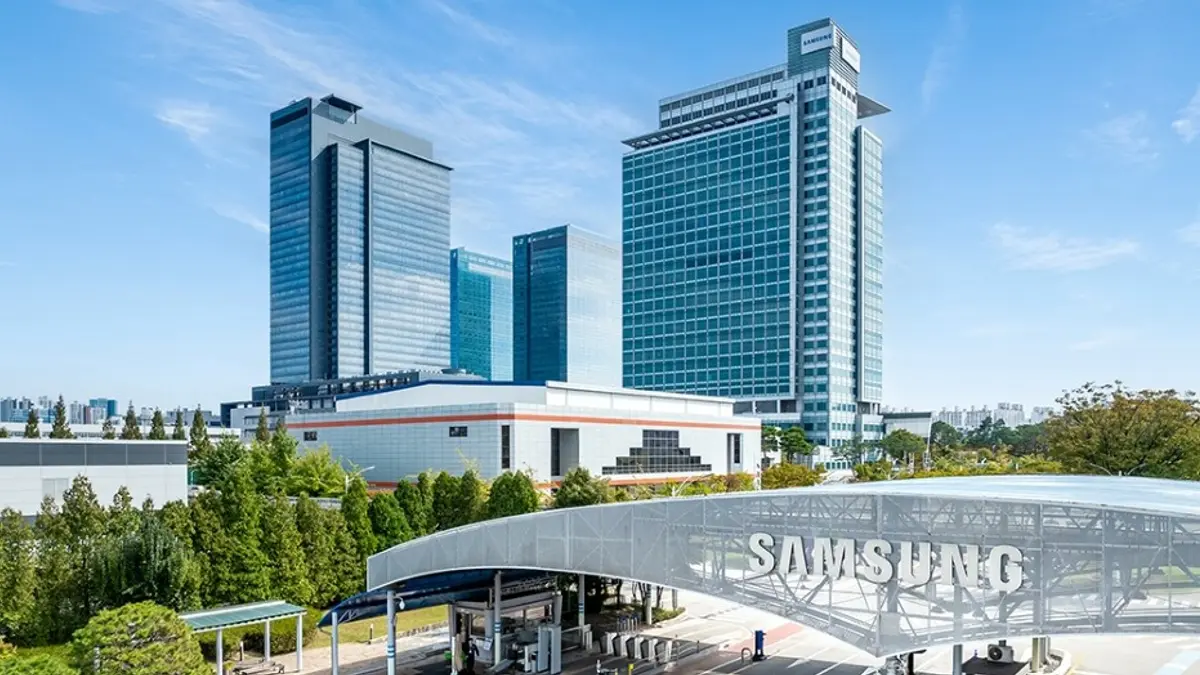
Samsung's affiliates are spending USD 1 billion (about £750 million) on Helix Digital Infrastructure, an AI infrastructure company set up by the investment firm KKR. Samsung Electronics is putting in USD 500 million, with Samsung C&T, Samsung SDS, Samsung SDI, Samsung Life Insurance and Samsung Fire & Marine Insurance covering the rest, according to the company's own announcement on 29 September.
Helix launched in June 2026 and its pitch is breadth: rather than renting out racks, it wants to sell the whole chain, from building and running hyperscale data centres to generating power, moving it through transmission and distribution networks, and laying fibre. The company is run by Adam Selipsky, the former chief executive of Amazon Web Services, and is staffed with people poached from the data centre and power industries. KKR, the Kuwait Investment Authority, NVIDIA and the US power company Vistra are founding investors alongside Samsung.
Why a chipmaker is buying into power stations
The interesting part of the announcement is the diagnosis. Samsung says power availability is currently the biggest bottleneck in AI infrastructure, which is a strange thing for a company that sells memory and logic chips to say out loud. It is also correct. A modern AI data centre is limited less by how many accelerators you can fit inside it than by whether the local grid can feed them and the cooling can keep up, and those are problems money alone does not solve quickly. Helix's answer is to buy energy capacity outright and partner with developers, including Vistra, instead of waiting in a connection queue.
Samsung's affiliates slot into that stack in roughly the order you would expect. Samsung Electronics supplies the semiconductors through its DS division and the cooling through its DX division, which owns the data centre HVAC specialist FläktGroup and runs 14 production sites across 65 countries. Samsung C&T Engineering & Construction works as an engineering, procurement and construction contractor on data centres and generation. Samsung SDS designs, builds and runs data centres, claims the lowest power usage effectiveness in Korea and has moved into GPU-as-a-Service. Samsung SDI supplies the uninterruptible power supplies and battery backup units that keep high-performance servers alive when the grid hiccups.
From component supplier to landlord
For years the AI boom has been described as a chip story, and Samsung has been paid accordingly, in the volatile, cyclical way memory makers always are. What this investment signals is a bet that the durable money in AI infrastructure sits in the buildings, the power contracts and the land underneath them, and that a company selling into that build-out should own a piece of it rather than just invoicing for parts.
Our opinion
USD 1 billion sounds enormous until you price what Helix is actually proposing to build, and that is the point: Samsung is buying influence and information flow rather than control, at a price that buys goodwill with a partner it will sell an awful lot of components to. The smarter move is the one nobody leads with. Everyone is racing to add compute; far fewer are willing to fund the dull, slow, capital-hungry business of generating electricity and cooling it back down, and that is where the next bottleneck is already forming. Samsung is not buying a data centre company, it is buying a seat at the table where the power deals get signed. If it is right that power is the constraint, that seat will be worth more than the chips it helps sell.