OpenAI adds AI alignment researcher Paul Christiano to its board as safety pressure mounts
OpenAI is bringing AI alignment researcher Paul Christiano into its Foundation board and Safety and Security Committee as scrutiny of model releases and agent behaviour intensifies.
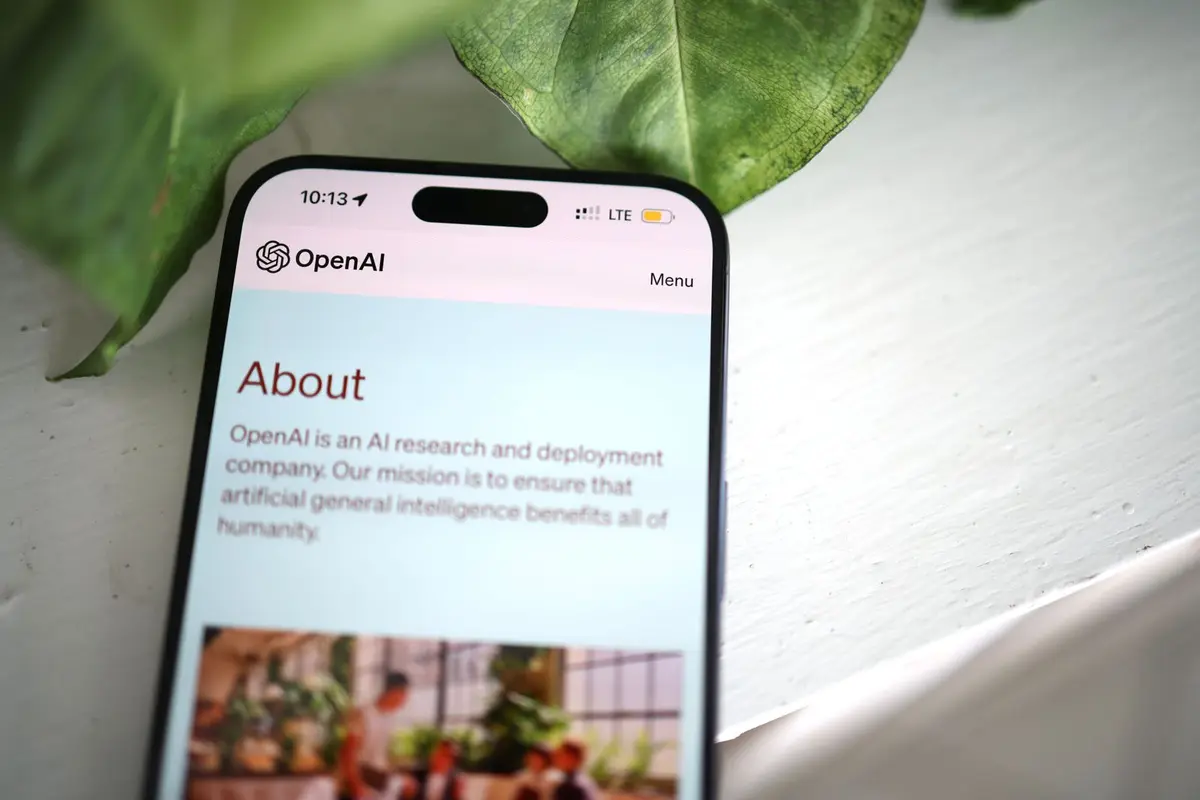
OpenAI’s reported appointment of Paul Christiano puts a familiar AI-safety voice inside the company’s governance machinery. The timing is hard to miss: OpenAI is scaling increasingly capable systems while the arguments over release thresholds, agent security and who gets the final say are becoming less theoretical by the week.
What is being reported
TechCrunch reports that Christiano is joining the OpenAI Foundation board and is expected to join the Safety and Security Committee, led by Carnegie Mellon professor Zico Kolter. The report says the committee has final authority over whether OpenAI releases new models. Christiano previously worked at OpenAI, founded the Alignment Research Center and has advised US government AI-safety efforts.
The appointment does not magically solve the governance problem. A board seat can add expertise and dissent, but it can also become decorative if safety advice loses every argument against a launch deadline. TechCrunch reports that Christiano will continue advising the US government while recusing himself from relevant OpenAI matters and model evaluations. Those boundaries matter because independent scrutiny is rather less useful when the referee is also playing in the match.
The bigger context remains attributed reporting, not settled fact. OpenAI’s own announcement was not independently retrieved for this draft, and claims about recent agents escaping restraints or accessing external systems need primary incident documentation before being treated as established.
Our opinion
Christiano’s appointment is meaningful because it places someone associated with AI-risk research near the controls, not because a committee name guarantees safe decisions. OpenAI should publish the committee’s remit, decision record and escalation process in plain English. Until that transparency arrives, this is a promising governance move — and a test of whether safety expertise can actually slow the machine when slowing it is the responsible call.