NASA and IBM open-source an AI model trained to map the Moon
NASA and IBM have released an open lunar foundation model intended to help researchers analyse decades of Moon observations and identify geological features at scale.
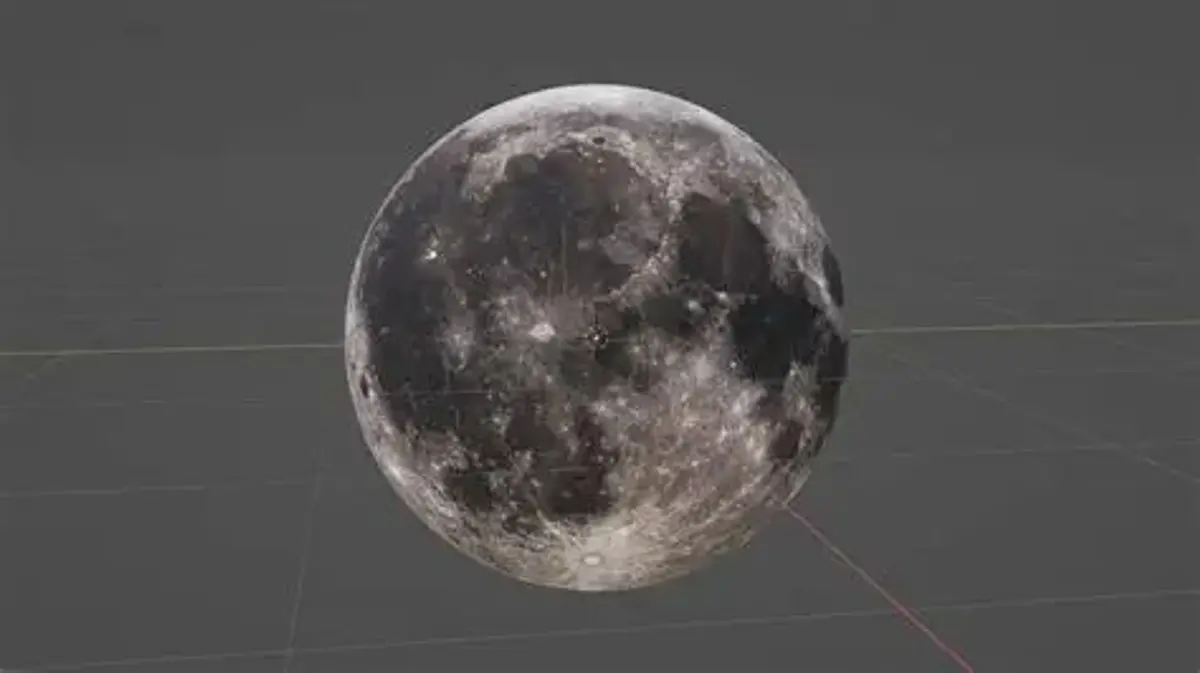
Lunar exploration generates a great deal of data and a surprisingly small amount of patience for manually labelling every crater. NASA and IBM’s new open model is aimed at the bottleneck between collecting Moon observations and turning them into useful maps.
What is happening
NASA and IBM have released the NASA–IBM Lunar Foundation Model through Hugging Face. CNET reports that it combines observations from nine instruments across four Moon missions, while the associated open dataset contains tens of thousands of maps and images with more than 30 spatially aligned data layers.
The reported uses include identifying craters, volcanic formations and possible ice deposits. TechRadar says the model and dataset are designed to help researchers work across petabytes of lunar data without building a separate model for every task. The project is linked to NASA’s Artemis-era exploration plans.
The headline performance claim needs a little gravity. CNET reports that the model outperformed widely used methods by up to 23% on key lunar geographic features, but that figure comes from the announcement and has not been independently reproduced in this scan. The model’s licence, compute requirements and practical access limits also need checking before anyone treats it as a plug-and-play Moon oracle.
Our opinion
This is the good kind of AI story: an open research tool pointed at a real scientific problem rather than another chatbot being asked to write a limerick about itself. If the model and dataset are genuinely accessible, they could help researchers ask better questions of old lunar observations while new missions add fresh ones. The 23% claim deserves testing, but the direction is excellent — fewer isolated datasets, more shared lunar intelligence and, ideally, fewer craters being rediscovered by accident.