NVIDIA's AICR 1.0 locks down GPU cluster recipes
NVIDIA's AI Cluster Runtime reaches 1.0 with version-locked recipes, signed validation evidence and a stable CLI, REST API and Go SDK for GPU-accelerated Kubernetes.
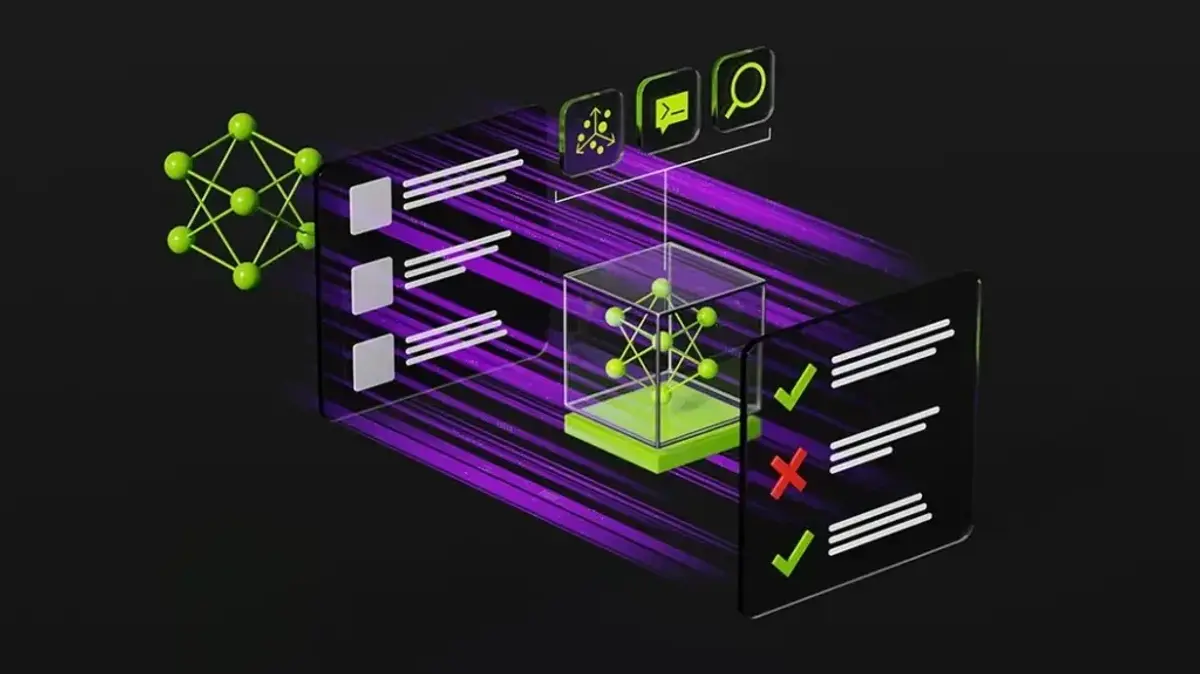
NVIDIA has taken its AI Cluster Runtime to version 1.0. AICR packages GPU-accelerated Kubernetes configuration as version-locked recipes: each one pins a component combination that was tested together, renders deployment artefacts for Helm, Argo CD, Flux or Helmfile, and carries signed validation evidence from NVIDIA's hardware lab.
The 1.0 label is a promise about interfaces rather than a pile of new features. NVIDIA says the release fixes a compatibility contract across AICR's command line, REST API, Go SDK, bundle layout and artefact schemas. After 1.0, removing or incompatibly changing a stable public interface requires a new major release.
A validated recipe is not the same as a working cluster
A GPU cluster stacks host kernels, GPU drivers, container runtimes, Kubernetes, networking, storage, device plugins, operators, schedulers and workload frameworks, each on its own release cadence. NVIDIA's argument is that a combination can install cleanly and still fail to gang-schedule jobs or discover accelerators, so a successful install is not evidence on its own. AICR splits that problem into four deliberately separate jobs: a snapshot records the observed state of a cluster, a recipe describes the wanted configuration, a bundle renders it for a deployer, and validation checks the running cluster against the recipe's intent.
Who is already building on it
Pulumi Labs exposes AICR through an infrastructure-as-code provider, and Mirantis packages it for multi-cluster management through its k0rdent integration. Operators can pull a recipe for their own hardware, inspect the signed validation evidence published for supported recipes, and run the dashboard's evidence verification command where evidence exists.
Our opinion
AICR is aimed at the least glamorous part of the GPU boom: the configuration matrix. Every team running accelerated Kubernetes ends up maintaining its own private spreadsheet of driver, runtime and operator versions that are known to work, and that knowledge walks out of the door with whoever kept it. Publishing a versioned contract and signed test evidence is the right instinct, and the Pulumi and Mirantis integrations are the real signal that other people intend to depend on it. The open question is coverage: a recipe library is only as reassuring as the hardware it has actually been run on, and this is a catalogue that has to keep pace with NVIDIA's own accelerator launches to stay useful.