NVIDIA highlights AI startups closing breast cancer gaps
The GPU maker's Inception programme backs startups using AI to read mammograms, assess risk and speed up treatment decisions.
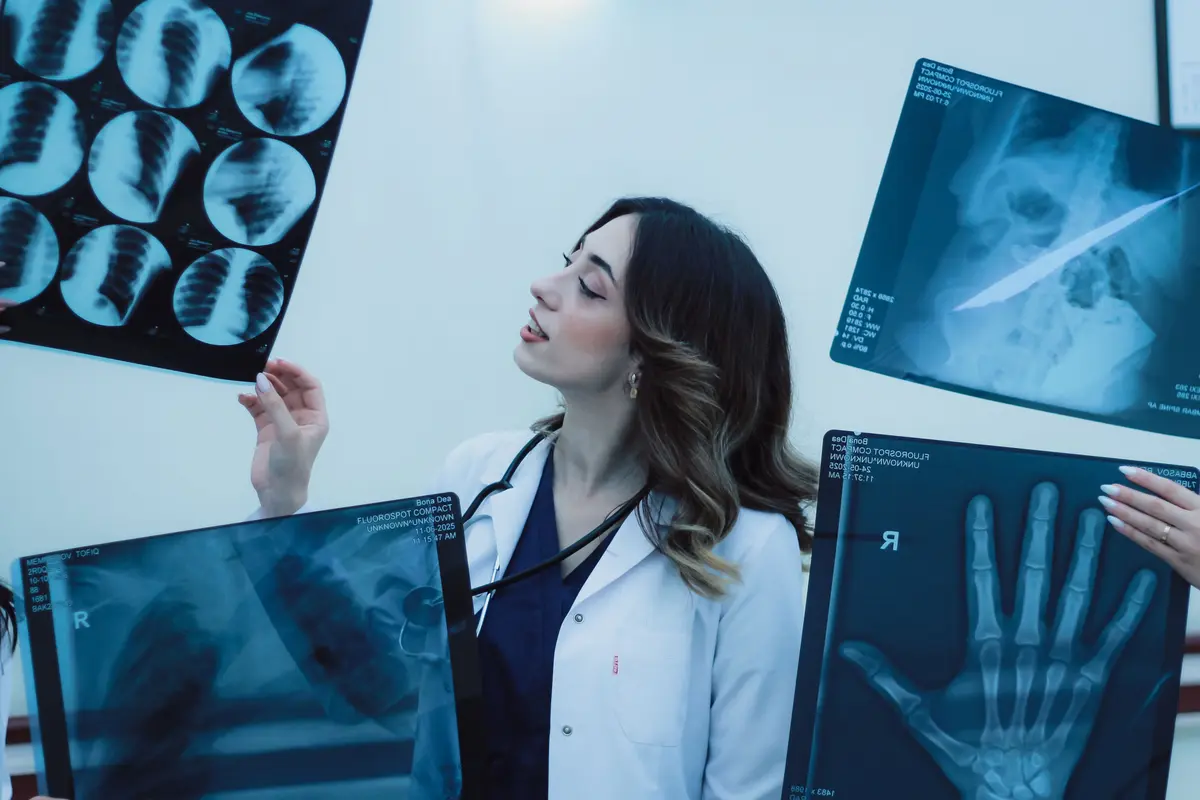
NVIDIA has turned its latest developer-blog feature over to a handful of Inception startups applying artificial intelligence to breast cancer care, from reading mammograms to choosing a treatment plan.
Breast cancer is the most commonly diagnosed cancer among women in the United States, yet screening gaps remain wide. The company notes that many women over 40 skip the annual mammogram they are offered, and that the radiologists who read the images are becoming scarcer: roughly 40 million mammograms are performed each year, against a projected shortfall of tens of thousands of radiologists over the next decade.
Where the AI fits in
The startups cover the length of the care pathway. On the imaging side, the pitch is triage: flag the suspicious scans quickly so a limited pool of specialists spends its time where it counts. Further along, the focus shifts to risk assessment and to the genomic assays that currently decide treatment, which can take weeks in an outside laboratory. Running those steps closer to the patient is the ambition.
All of the companies named are part of NVIDIA Inception, the company's programme for startups, and they are building on its accelerated-computing stack. NVIDIA frames the collection as a demonstration of where its AI hardware is heading as much as a health story, which is worth remembering when reading vendor-published case studies.
Our opinion
The most persuasive part of this pitch is the bottleneck it names: not the model, but the number of humans who can read a scan. Any tool that reliably shortens the queue is worth attention, and mammography screening is exactly the sort of routine, high-volume task where automation can earn its place. The caution is that these are vendor case studies, not peer-reviewed outcomes, and a demo that spots a lesion on a curated image is a long way from a clinic that changes what it does. The interesting test is not accuracy on a dataset but whether a radiology department ends up reading more cases, faster, with the same confidence.