iPhone 18 Pro teardown lands a provisional 7/10
iFixit has pulled apart the iPhone 18 Pro and Pro Max and given both a provisional 7/10 for repairability, praising the screwed-in battery tray while warning that the new six-blade aperture camera will not go back together.
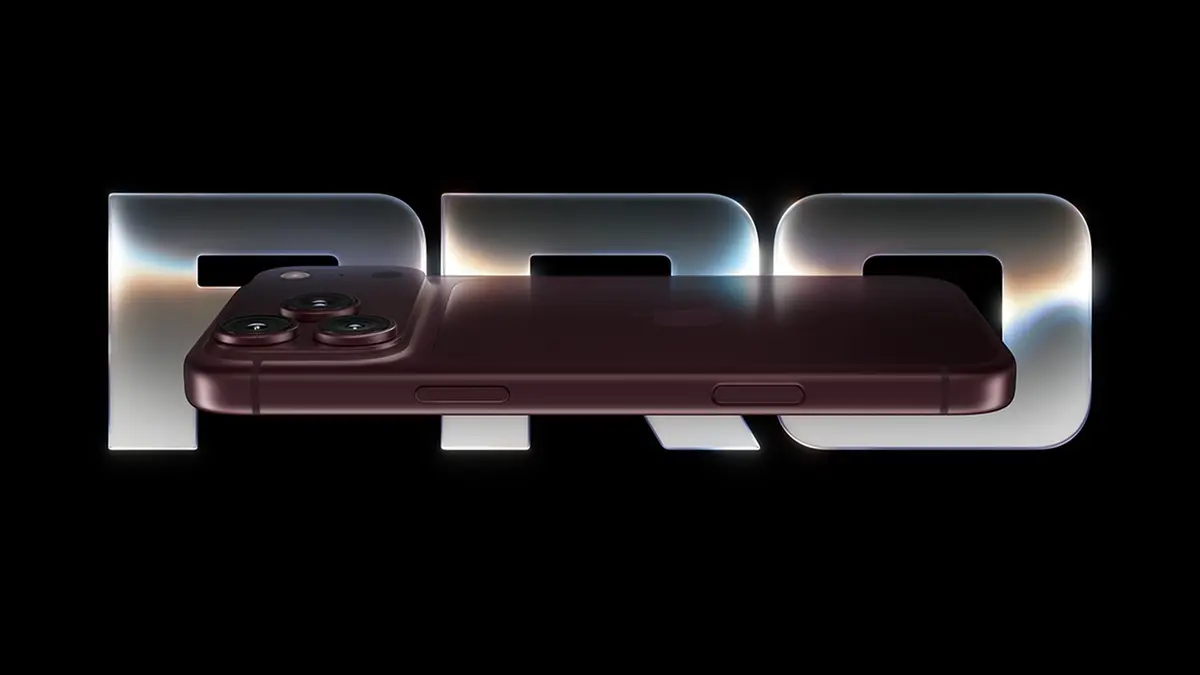
iFixit has finished its teardown of the iPhone 18 Pro and iPhone 18 Pro Max and given both handsets a provisional 7 out of 10 for repairability. The score, published on 20 September, credits Apple for keeping the screwed-in battery tray that made last year's model easier to service, and takes marks off for an architecture where almost every repair still starts with lifting a glued-down screen.
A six-blade aperture nobody should open
The headline feature inside the new phone is the variable aperture on the main camera, and iFixit's team found six overlapping blades made of a polymer composite packed into the same footprint as last year's lens. Each blade is roughly as thin as a human hair and moves on pins driven by magnets; the engineers triggered the mechanism with a magnet after pulling the supporting hardware out. Their verdict is blunt: very few people on the planet have the tools, technique and patience to take that assembly apart and get it back together, so a damaged main camera means a new camera module. Apple has not published 18 Pro part prices yet, but the equivalent part for the 17 Pro is 249 dollars, and the aperture mechanism will only push that up. The one piece of good news is that the camera module is easy to reach once the phone is open.
Battery tray stays, screen keeps fighting
The battery is the better story. Apple kept the metal tray that holds the cell under thirteen screws, so a replacement battery comes out with the tray and there is no adhesive to fight; the electrically releasable glue under the cell itself releases in about 90 seconds at 12 volts if a shop needs to separate the two. The worry is the route in. Using the phone's own labels, iFixit measured the eSIM iPhone 18 Pro battery at 16.76Wh (4288mAh) and the Pro Max at 21.751Wh (5567mAh), with smaller cells in the physical SIM versions. Opening the display to reach any of it is where the teardown ran into trouble: the white plastic frame around the screen cracked or pulled away on three of the four phones they opened, a frame that is part of the display assembly and cannot be repaired with fresh adhesive. iFixit is careful to say that four phones prove nothing about how common the failure is.
Cooler chip, harder data recovery
Apple's thermal changes are real. The A20 Pro now sits on the outside of the logic board sandwich with memory beside it instead of stacked above, putting the hot chip much closer to a vapour chamber that Apple says is three times larger in surface area than last year's. The trade-off is on the other side of the board: NAND storage has moved inside the sandwich, so recovering data from a damaged phone now means separating board layers before the original fault has even been looked at, and iPhone encryption rules out simply moving the memory chips to another board. iFixit also found that every 18 Pro and Pro Max uses Apple's own C2 modem except the US-spec Pro Max, which still carries Qualcomm silicon.
Our opinion
A 7 out of 10 for a flagship phone with a $249-plus camera module and a display that resists being opened is a score that flatters the sum of its parts. The battery tray is genuinely good engineering and deserves its credit, but the practical repair most owners will eventually need still starts with the hardest step in the phone. What makes this teardown worth reading is the aperture mechanism: Apple has spent a decade selling sealed assemblies, and a six-blade iris thinner than a hair is the clearest illustration yet of a part built to be replaced rather than repaired. If a single blade sticks years from now, the question will not be whether the phone can be fixed, but whether the fix costs more than the device is worth.