Firefox 157 brings a new look and Compact Mode back
Mozilla's redesigned Firefox has finished its stint in Nightly and arrived on desktop and mobile with version 157, bringing Compact Mode back with it.
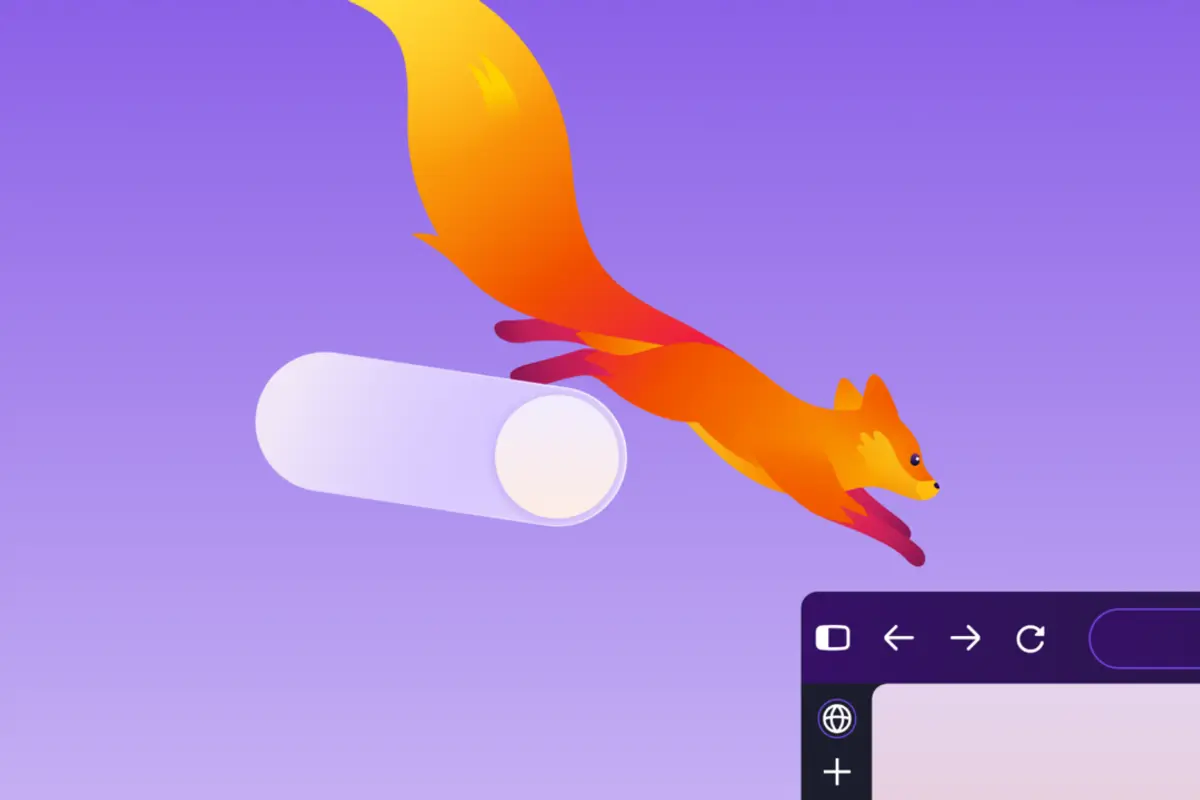
Mozilla began rolling out the new Firefox design with version 157 on 29 September, and this time it is not confined to the nightly build. After months of testers picking at it in Nightly, the refreshed browser is reaching everyone on desktop and mobile.
The brief, in Mozilla's words, was for Firefox to feel “current, but not generic. Warm, but still precise.” That translates into refreshed colours, icons and themes across the tabs and toolbars you stare at all day, the New Tab page and the Private Browsing window, with desktop and mobile now sharing a single design language. Mozilla says the visual work costs nothing in browser performance.
Compact Mode comes back
The feature Mozilla is leading with is one users asked for directly. Compact Mode returns, shrinking tabs and the toolbar so the page gets more of the screen, and an automatic version of it kicks in on smaller displays. There is a new theme picker with extra themes and wallpapers, and the New Tab page will now let you pin a shortcut so a site you live in stays where you put it.
Refined, not reinvented
Mozilla frames the release as renewal rather than reinvention. Firefox stays independent and open source, keeps its tracker blocking and privacy protections built in, and leaves the AI features on the user's terms — which of them appear, which model answers, and how much context it is given. That is a deliberate contrast with browsers that have welded an assistant into the furniture and asked questions later.
Our opinion
A browser redesign is usually the least interesting thing a software company can announce: a fresh coat of paint over a product whose roadmap was settled years earlier, shipped with a changelog nobody reads. Firefox is the exception that shows how low that bar has fallen, because its problem has never been capability. It blocks trackers, it runs on Gecko — an engine Mozilla owns outright rather than rents from Google — and it has spent the past year adding the things users actually asked for: a built-in VPN, a side-by-side view, and a genuine say in how AI shows up in the browser.
What Firefox lacked was the confidence to look like a product from this decade. Matching desktop and mobile finally makes it feel like one browser rather than two forks that drifted apart, and Compact Mode's return is the sort of unglamorous fix that wins loyalty precisely because nobody markets it. The AI controls are the part worth watching, though. Mozilla has partnered with Mistral and promised users a choice of models, and holding that line while its rivals wire assistants into the address bar is the harder sell. A prettier Firefox is welcome. A Firefox that stays stubbornly yours is the reason anyone was here in the first place.