Eight Sleep's Pod 6 is smaller, cheaper and stronger
Eight Sleep's Pod 6 halves the size of the Hub, lifts the thermal engine to 550 watts, fits nine sensors a side and starts at $1,999, with new Solo sizes for single sleepers.
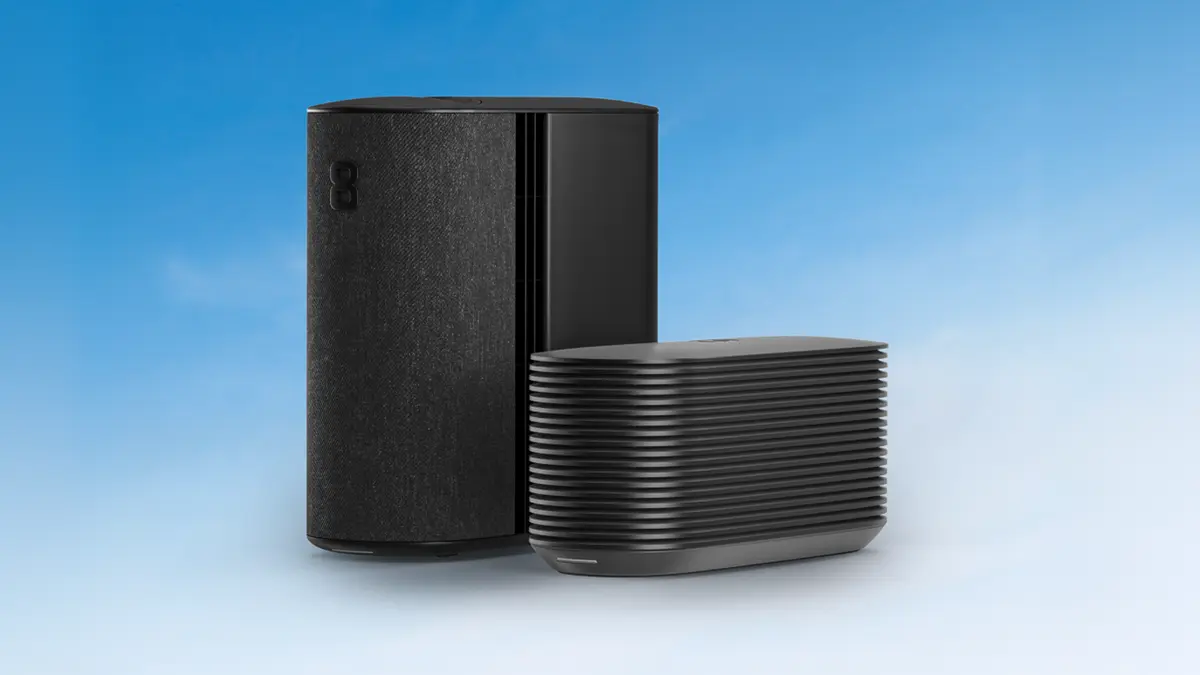
Eight Sleep has announced the Pod 6, the sixth generation of its temperature-controlled bed system, and the headline change is a Hub that is half the size of the one it replaces. Smaller hardware usually means less power; here the company has gone the other way, with a 550-watt thermal engine against the 400 watts of the Pod 5, more sensors and a lower starting price of $1,999 rather than $2,799.
A Hub that hides under the bed
The Hub, which is the Pod's power and thermal system, is now small enough to slide under most standard bedframes, with a ribbed exterior intended to look at home on the bedroom floor. Eight Sleep says it rebuilt the thermal system, airflow and electronics from scratch to avoid the usual trade-offs: the extra power delivers temperature relief 20% faster, while a new heatsink and airflow design is meant to keep the unit quiet even at full capacity.
Nine sensors a side
The Cover carries nine biometric sensors on each side, where the Pod 5 had one. The additional sensors give the system more spatial awareness, so it can tell where each sleeper is lying and separate one person's measurements from the other's even when they move around or a child or pet climbs in. Sleep stages, heart rate, heart rate variability and breathing rate are now tracked at near parity with medical-grade reference devices, according to the company, and every reading feeds Autopilot, which adjusts the bed's temperature through the night.
Five-minute priming and new Solo sizes
Setting the Pod up used to mean filling a removable tank at the sink and waiting about 20 minutes. The Pod 6 has no tank at all: water is poured straight into the Hub with the supplied bottle, an LED indicates when to keep pouring and when to pause, and priming takes about five minutes. The filter insert is replaced by a liquid solution added to the Hub, and the water line and USB cable have been merged into a single connector.
For the first time the Pod also comes in Solo sizes for Twin and Twin XL beds, or for one side of a Queen, King or California King. Buyers who start with a Solo can later add a second one, which zips onto the first to make a standard dual-zone Pod.
The price falls as the power rises
Pod 6 starts at $1,999, down from $2,799 for the Pod 5, and Eight Sleep says a Queen Pod 6 is $200 cheaper than its predecessor. The company attributes the cut to a system that costs less to make and says the savings have been passed on. Regional pricing differs: Eight Sleep's own European storefront lists the Pod 6 from 2.199 EUR.
Our opinion
The interesting part of this launch is the direction of travel. Consumer hardware launches usually trade one axis against another - smaller means weaker, more sensors mean a higher price - and Eight Sleep has moved size, power, precision and price the same way at once. That is only possible because the Hub was the most expensive and least lovable part of the product, and rebuilding it around a smaller, cheaper thermal design unlocked everything else in the list.
The Solo sizes are the quieter commercial bet. A Twin or half-Queen Pod reaches single sleepers, spare rooms and split mattresses that a dual-zone bed never fitted, and the zip-on upgrade path keeps those buyers inside the subscription economy rather than sending them to a cheaper competitor. The open question is the one every sleep company faces: whether nine sensors a side produce measurements that change what a doctor does, or just more data in an app. Eight Sleep's comparison to medical-grade reference devices is its own claim, made on its own blog, and worth testing against independent sleep-lab work before anyone treats a nightly heart-rate variability figure as clinical.