Type One Energy closes a $200m round for its first fusion plant
The Knoxville developer has completed a $200 million Series B co-led by Breakthrough Energy Ventures, money it says will carry Project Infinity towards a commercial stellarator plant at the Tennessee Valley Authority's Bull Run site.
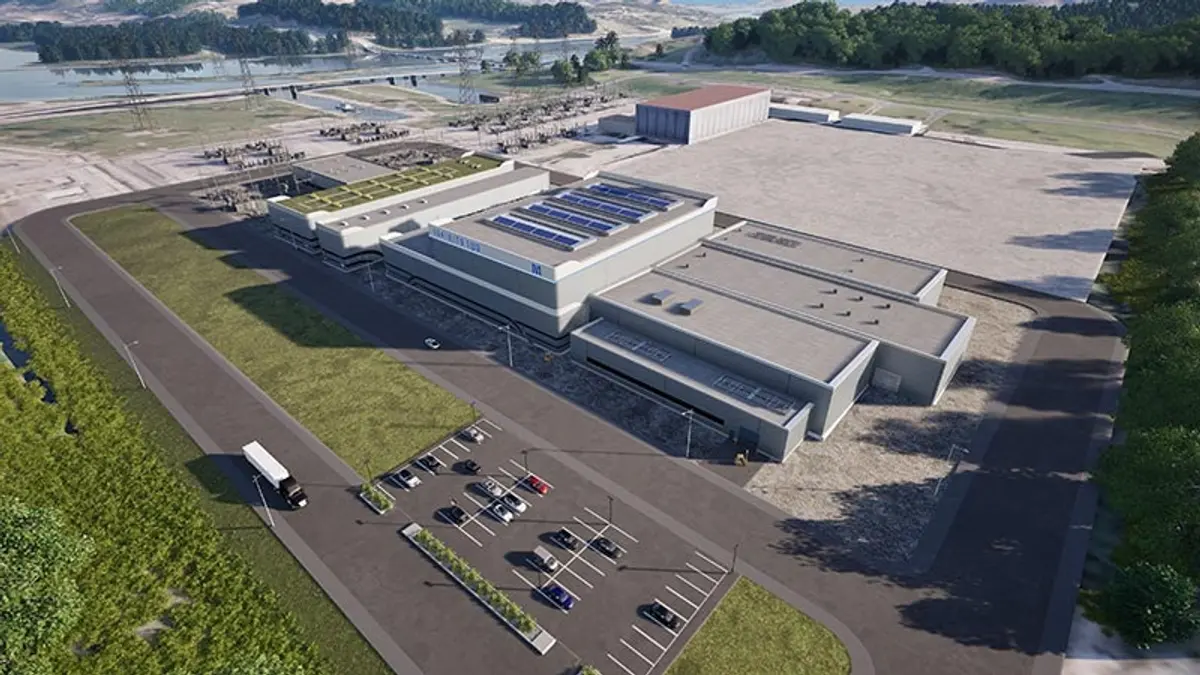
Type One Energy has completed a $200 million Series B financing round, money the Knoxville company says will carry design work for its first commercial fusion power plant at the Tennessee Valley Authority's Bull Run site in east Tennessee.
Who is paying for it
Breakthrough Energy Ventures and Clutterbuck Capital co-led the round, with Lowercarbon Capital, Siemens Energy Ventures, SiteGround Capital and other new investors joining. "The breadth and quality of investors in this funding round demonstrates growing support for our strategy to industrialize the commercial deployment of fusion energy," said chief executive Christofer Mowry.
Enrique Gonzalez Zanetich, a partner at Siemens Energy Ventures, said the company's technology, supply network and team provided a strong foundation for turning scientific progress into a commercially viable energy business.
What the money builds
The financing supports Project Infinity, which pairs the Infinity One stellarator engineering prototype with the 400 MWe Infinity Two plant planned for the Bull Run Energy Complex. Type One Energy's approach relies on high-field superconducting magnets, computational physics and advanced manufacturing rather than the tokamak design most fusion projects use, and its FusionDirect programme is built around partners supplying components instead of doing everything in-house.
The round follows the company's initial operating licence for the project from the State of Tennessee, granted in August through what the company describes as the first licensing process written specifically for a fusion power plant. Type One Energy is also pursuing a second deployment in the United Kingdom through the UK Infinity Fusion Consortium, alongside Tokamak Energy and AECOM.
Our opinion
Fusion funding rounds are routinely reported as though they settled a physics question. They do not; they buy schedule. What is unusual here is the shape of the company. Type One Energy has deliberately declined to own every step from magnet to turbine, betting that the fusion supply chain can mature quickly enough to hold a delivery date. That is the same bet that has humbled industries with far fewer unknowns than plasma physics, and it is the part of this round worth watching: if the partner model slips, a licence and a site will not pull the schedule back.