Stoke Space raises $1bn Series E to accelerate fully reusable launch
Stoke Space has raised $1 billion in Series E funding, bringing total capital to $2.3 billion, as it prepares its first orbital launch and unveils the larger 15-ton-class Nova Block 2 vehicle.
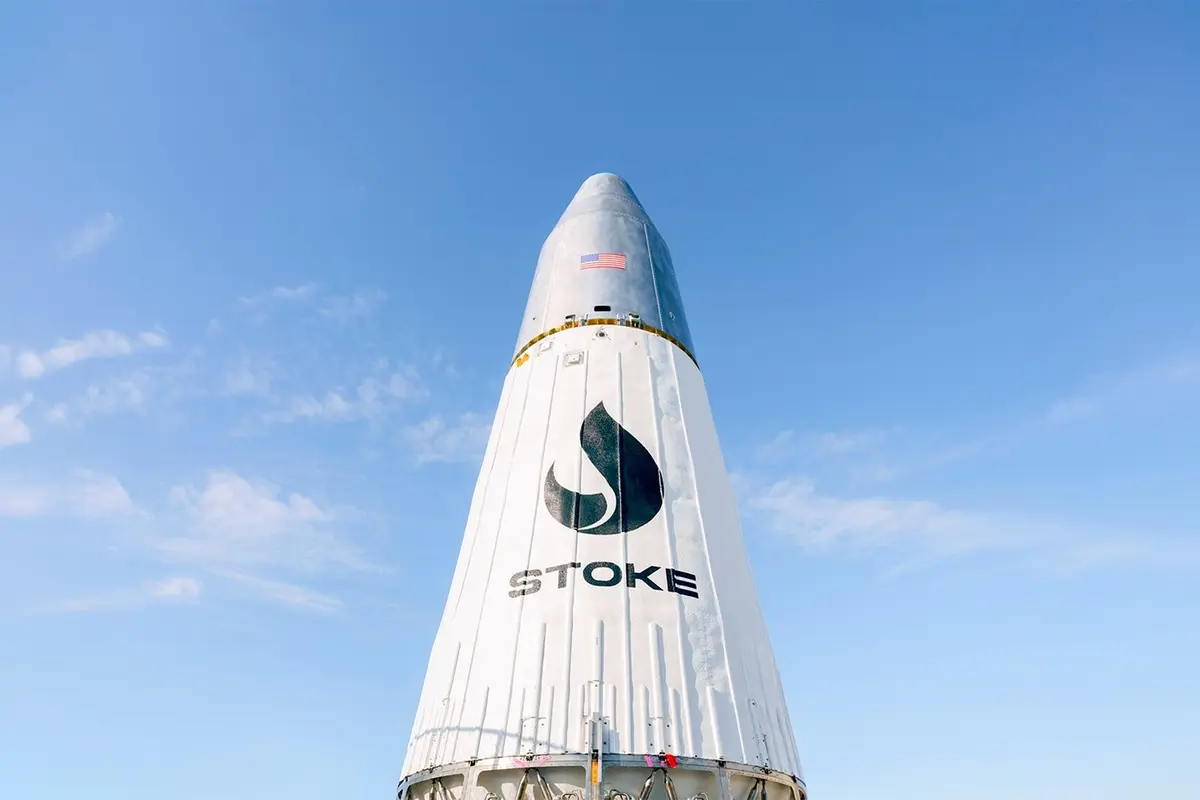
Stoke Space has raised $1 billion in Series E funding, bringing total capital to $2.3 billion, as it prepares its first orbital launch and unveils the larger 15-ton-class Nova Block 2 vehicle.
Stoke Space announced an initial closing of its billion-dollar Series E round on 8 September, bringing the company’s total capital raised to $2.3 billion. The round was co-led by Point72 Ventures and Spark Capital, with participation from General Innovation, Glade Brook Capital, US Innovation Technology, Washington Harbour Partners, Woven Capital and Y Combinator, among others.
The Kent, Washington company says the funding will support preparations for its first orbital launch, expand production and launch capacity, and accelerate development of its larger 15-ton-class Nova Block 2 launch vehicle. Stoke’s core pitch is a fully and rapidly reusable two-stage rocket, designed to cut the cost and time between launches.
The reusability bet
Co-founder and CEO Andy Lapsa frames full reusability as the only way to reach the cost floor while scaling availability: “Every mature transportation system is built around fully reusable vehicles.” Point72 Ventures partner Chris Morales said Stoke has demonstrated the technical progress and ambition to serve the market at industrial scale.
Stoke has not announced a date for the first orbital launch attempt, and Series E is an initial closing, meaning the final round size and investor list may still grow.
Our opinion
A billion dollars is what reusability costs when you intend to skip the “partially reusable” era entirely. Stoke is one of very few companies treating the second stage — historically the part everyone throws away — as a first-class reusable vehicle. If Nova flies and comes back, the economics of medium-lift launch change again. Until then, this is a well-funded promise from a team that has already flown hardware.