Meta opens Muse to small business tool stacks
Meta has added a set of skills and connectors to Muse that let its personal agent pull context from Shopify, Slack, Stripe, QuickBooks and a dozen other tools, with approval required before anything is sent, published or spent.
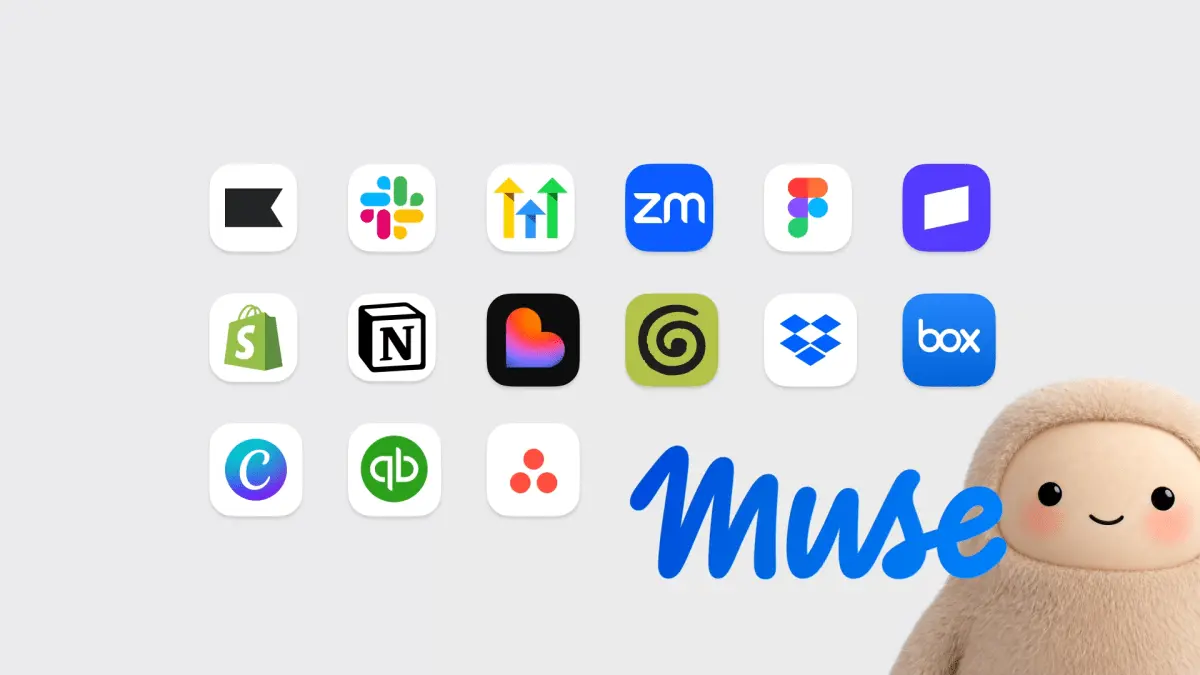
Meta has announced Muse for Small Business, an expansion of the Muse personal AI agent it launched in the United States and Canada earlier in September. The idea is that an owner gives Muse a goal, such as running the business or finding new customers, and the agent works on it in the background.
The connectors are the substance of the release. Muse can now link to Asana, Box, Canva, Dropbox, Figma, Granola, HighLevel, Intuit QuickBooks, Klaviyo, Lovable, Notion, Shopify, Slack, Stripe and Zoom, alongside Facebook Pages, Instagram professional accounts and Meta ad accounts.
What Muse can see before it acts
Connecting those accounts is meant to give the agent the context a new employee would need: what the business sells, how its brand sounds and what customers keep asking. Meta says nothing is published, sent or spent without the owner's approval, and that the agent reads Instagram professional account analytics and Facebook Pages alongside advertising data from the business's Meta accounts.
Tom Mulholland, who owns Mulholland Grocery in Malvern, Iowa, said he works about 65 hours a week and is the only person who can do many of the jobs in front of him, and that he needs the time back for the work that makes money. Canva co-founder and chief product officer Cameron Adams said connecting Muse to Canva brings a brand's own templates into the conversation.
Meta says the full connector list sits in Muse's app settings, that custom connectors can reach services it does not support yet, and that partners can apply at muse.ai/platform.
Our opinion
Meta's pitch lands on the least glamorous part of running a small business: the administrative work only the owner can do, which is also why it is the hardest to hand over. Muse is being sold as the employee who already knows the shop, and the connector list is what makes that plausible rather than aspirational, because an agent with no access to the books, the storefront and the inbox can only guess. The approval gate is the right shape of promise for a tool holding a business's accounts, although it moves work rather than removing it, since someone still has to read every draft before it goes out. The offer is credible because Meta already owns the storefront and the ad account for a large share of the businesses it is courting, and that concentration is the part worth watching.