Google Flow adds six tools built by working creatives
Google Labs has released six new Google Flow tools made by architects, sound designers, filmmakers and digital storytellers, and every one of them can be copied and remixed by anyone with an account.
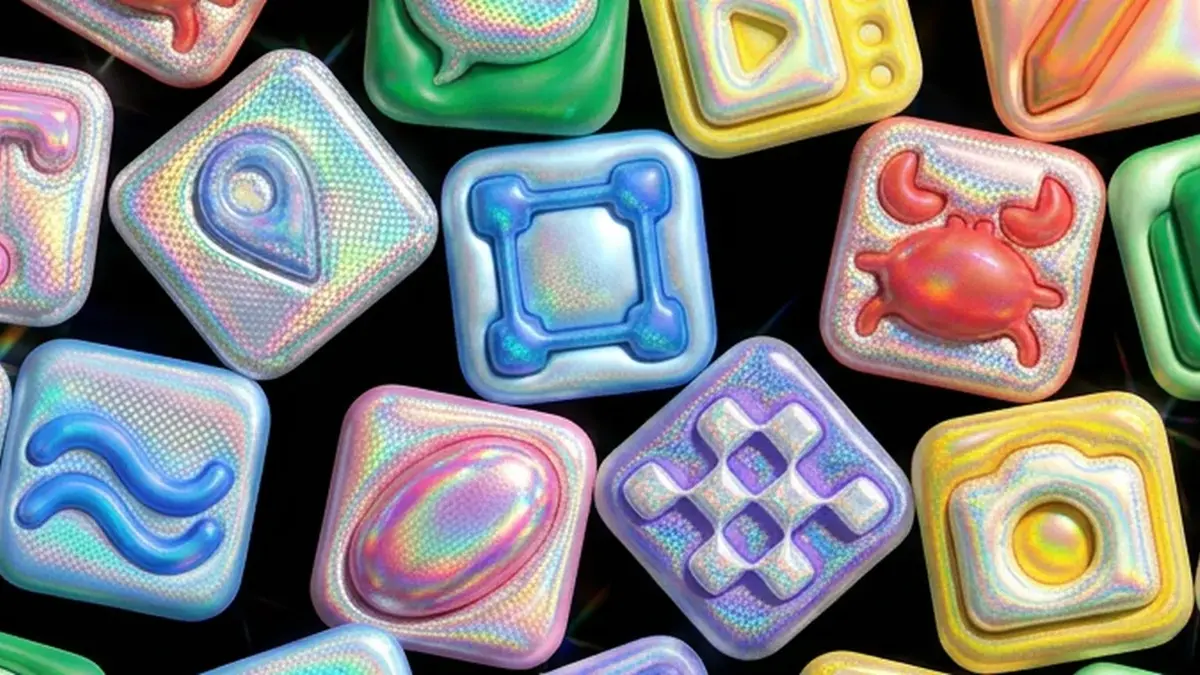
Google has spent the past year teaching Flow to generate video. Its latest release is about everything around the video. On 23 September, Google Labs published six new Flow tools built with people who work in architecture, sound design and digital content, and the tools are as specific as the people who made them.
Six tools, six working creatives
Mondo Sonico comes from creative director Ricardo Villavicencio and sound designer Sebastián Carvallo, who wanted more dynamic audio for their projects. It generates background ambiance, foley and contextual sound effects, keeps them synchronised across separate editable tracks, and lets you export individual stems for post-production. That last detail is what makes it useful rather than novel: a sound bed you cannot pull apart is of no use to an editor.
Jay Pirabakaran, a digital storyteller known for pushing ancient mythology into cinematic visuals, contributed two tools. CaptionCast takes a single-pass approach to subtitling that transcribes, styles and animates multilingual captions in seconds. ThumbnailForge does the same job for cover art, turning one image, a headline and a prompt into finished social thumbnails instead of a manual run through a design tool.
Surface, by interior designer and technologist Vojtek Morsztyn, addresses the slowest part of architectural ideation: sourcing and testing materials. It generates custom textures, from minimalist patterns to Art Deco tiling, and maps them in real time onto 3D walls, ceilings and floors. Filmmaker and science communicator Hashem Al-Ghaili built the other two. CollageMotion Pro automates animated mixed-media collages at scale from text prompts, and SwissFlow Studio turns a script into Swiss-style motion graphics, replacing hand keyframing with something closer to art direction.
The part that matters more than the tools
Flow Tools itself is the quieter announcement sitting underneath all six. You describe what you need and the system builds the tool, which means the six released this week are demonstrations as much as products. Google says any of them can be duplicated and remixed to fit a different setup, and that you can open Flow and build your own from a description.
That is a different claim from the usual model-release pitch. Most creative AI products ask you to learn their interface and accept their opinion about how a job should be done. Tools that can be forked move the negotiation: the workflow becomes something a studio owns and adjusts rather than something it rents. Whether Flow's tool builder is genuinely flexible enough to make good on that is the question Google has not answered yet.
Our opinion
The telling name here is Surface. Architectural visualisation is a market where a single wrong material sample costs a week, so a tool that maps textures in real time onto walls and floors is not a novelty act, it is someone's Tuesday afternoon saved. That Google went and found a working interior designer to build it says more about where creative AI is heading than any benchmark chart.
The catch is that these tools all live inside Flow. A creative who remixes Mondo Sonico is still working in Google's house, on Google's terms, with Google's model limits and whatever pricing arrives next. Custom tooling is a genuinely good idea, and the six released this week are proof that it can produce something a professional would actually open. It is not yet proof that the people who build on it will own anything at the end.