Europe sets a December deadline for its space ambitions
Member states endorsed a shared vision for low Earth orbit, the Moon and Mars at the Paris summit on 9 September, and the full text is now public ahead of a ministerial meeting in Rome.
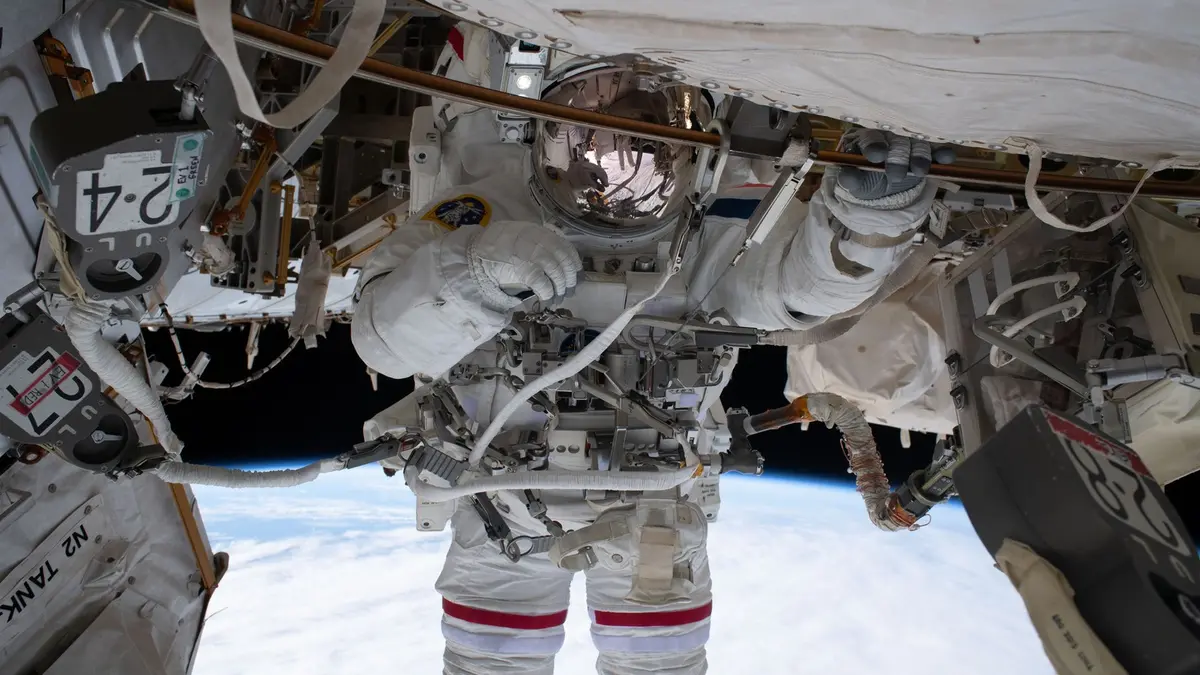
The European Space Agency has published the full text of A Call to Boost European Space Exploration, the document the agency's member states endorsed at the International Space Summit in Paris on 9 September. It sets out a shared ambition for Europe in space and hands ministers a political steer for the decisions they have to take in Rome on 15 December.
Three priorities, one envelope
The Call names three priorities. The first is securing Europe's access to and presence in low Earth orbit for the era after the International Space Station, which is nearing the end of its life. The second is a stronger European presence on and around the Moon, built from a mix of international cooperation and capabilities Europe owns outright. The third turns both into staging posts: low Earth orbit and the Moon as the grounds for the missions that eventually go to Mars.
Framing the document is an argument about leverage. Space is described as a strategic domain for scientific discovery, economic prosperity, technological leadership and international influence, and the signatories call for sustained political commitment, coordinated investment and a long enough view for Europe to develop and hold on to critical exploration capabilities.
The Call was agreed at head-of-state and ministerial level, and opens with the member states declaring their wish to see Europe become "a stronger partner in the international endeavour to explore outer space". ESA Director General Josef Aschbacher said the Paris summit "marked an important step in shaping a common European vision for space exploration", adding that Europe has started a course towards "greater autonomy in low Earth orbit, a stronger role in lunar exploration, and a more competitive European space sector".
What happens next
ESA is now preparing options that turn the ambition into concrete proposals for member states to weigh at the Intermediate Ministerial Meeting in Rome on 15 December. The Call itself is a statement of intent rather than a budget: the three priorities compete for the same money, and the December meeting is where that gets settled.
Our opinion
Europe's exploration problem has never been the ambition, which is cheap, or the engineering, which is excellent. It is that the money arrives in three-year parcels while a lunar programme, a post-ISS orbital economy and a Mars roadmap all need the kind of certainty that survives an election. The Call's three priorities are sensible and its framing is honest about the competition, but read it next to the decisions it defers and the document's real function becomes clear: it is a mandate to make the December meeting about capability rather than about who gets which contract. If ministers arrive in Rome with the same short-term logic that has kept Europe a reliable partner and a junior one, the next Call will be needed long before the last mission lands.