US government backs Google-linked nuclear revival with $1.9bn loan
The US Department of Energy has closed a loan of up to $1.9bn to help restart Iowa’s Duane Arnold nuclear plant, a project linked to the data-centre power race and Google’s nuclear ambitions.
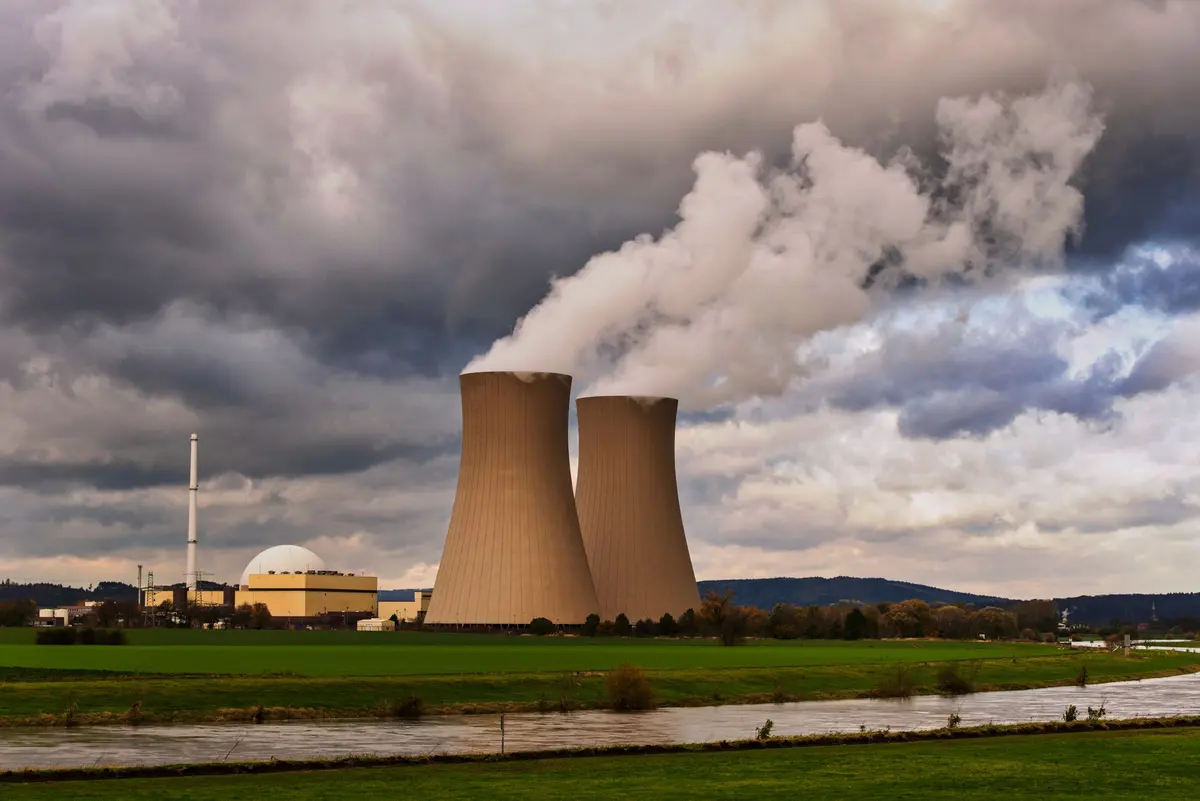
The US government is putting up to $1.9bn behind the restart of an Iowa nuclear plant that has become part of the wider race to secure dependable electricity for data centres and AI. The Department of Energy says its Office of Energy Dominance Financing has reached financial close on the loan to NextEra Energy for the Duane Arnold Energy Center.
Duane Arnold is a 615-megawatt facility in Linn County that stopped operating in 2020. If the restart receives the required approvals from the US Nuclear Regulatory Commission, NextEra expects the plant to return to service no later than the first quarter of 2029. The company says the project could create thousands of construction jobs, support more than 400 permanent operating roles and generate significant economic benefits for Iowa.
Why Google is part of the story
The loan is not a direct payment to Google, and the plant is not being restarted by Google. Its connection to the company comes from the growing demand for firm, round-the-clock electricity created by AI and data-centre expansion, alongside NextEra’s wider collaboration with Google on nuclear deployment. That makes Duane Arnold a useful test of whether the technology industry’s appetite for power can help bring retired reactors back to the grid.
The Energy Department says the restart would return enough baseload generation to power nearly 500,000 homes. Those figures come from the government announcement, while NextEra says a separate study estimated more than $9bn in economic benefits for Iowa over 25 years. The plant still faces regulatory, engineering and operational-readiness work before any electricity flows.
The financing arrives as electricity demand forecasts are being reshaped by cloud computing, AI training and data-centre construction. Nuclear plants can provide steady generation without the direct carbon emissions of fossil-fuel plants, but they are expensive, heavily regulated and not automatically immune to delays or cost overruns. Restarting a shut-down facility can be faster than building from scratch, although it still requires extensive inspections and licensing work.
The DOE says it has now financed three nuclear plant restarts and completed four conditional commitments or financial closings under the current administration. That is evidence of a policy push, not evidence that every project will reach operation on schedule. Duane Arnold remains dependent on NRC approvals and NextEra’s engineering and readiness programme.
Our opinion
Restarting an existing nuclear plant is more credible than promising a fleet of imaginary reactors to feed tomorrow’s AI boom. But a loan close is not the same thing as a licence to operate, and a 2029 target is not a guaranteed delivery date. The project deserves scrutiny on safety, cost and who ultimately pays for the power — especially when Big Tech’s demand is being used to justify a new nuclear build-out.