The Exploration Company raises $450m to build Europe’s reusable rival to SpaceX
The Exploration Company has raised a reported $450m Series C to develop Nyx, a reusable European spacecraft intended first for cargo and eventually human transport.
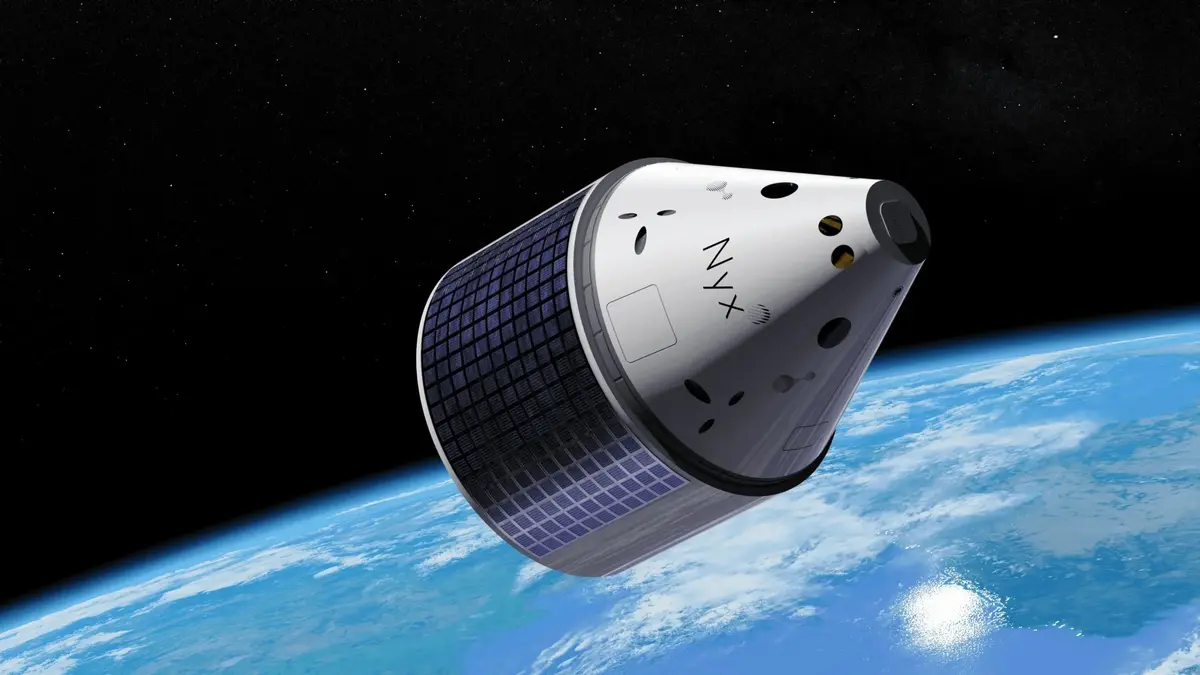
TechCrunch reports that The Exploration Company, with operations across Germany, France, Luxembourg and Spain, raised $450m in a Series C round co-led by Atomico and the EQT-managed Scaleup Europe Fund.
The company is developing Nyx as a reusable spacecraft, initially for cargo. TechCrunch reports that the company is targeting an ISS docking and safe return by November 2028, with 10 missions booked and more than $2bn in contracts and commitments claimed.
The funding will also support Storm, the company’s rocket-engine programme. The reported mission schedule, contracts and institutional commitments remain company statements pending independent documentation and regulatory milestones.
The European space market has plenty of launch ambition but still relies heavily on access controlled by companies and agencies outside the continent. A reusable spacecraft could give Europe more control over cargo missions, research platforms and eventually crewed transport, if the engineering and regulatory milestones are met.
The company’s 2028 goal should be treated as a target, not a timetable carved into a rocket. Nyx will need successful development, testing, launch integration, orbital operations and safe re-entry. The $450m round provides runway for that work, but it cannot substitute for flight heritage.
Nyx is intended to start as a cargo vehicle, which is a sensible first step: transporting supplies is demanding, but it avoids the additional life-support and crew-safety requirements of human flight. The company’s longer-term ambition is to expand into human transport once the platform has demonstrated reliable operations.
Europe already has launch companies and established agency programmes, but a reusable orbital vehicle would occupy a different part of the market. It could support research, commercial stations and logistics if it reaches service, though those benefits remain future possibilities rather than current capabilities.
The Exploration Company’s European footprint is part of the appeal, but geography does not reduce the difficulty of orbital flight. The company will still need to demonstrate propulsion, guidance, thermal protection, recovery and repeatability under real mission conditions.
The funding story is significant because it gives a European company the resources to attempt that difficult sequence. It is not, however, evidence that Nyx has already reached orbit or that the November 2028 target is guaranteed.
Our opinion
Europe needs its own route into space, and a reusable cargo vehicle is a far more useful proposition than another billionaire joyride. But a large funding round is fuel, not proof of a successful landing. Nyx still has to fly.