Blender heads to Android as iPad support stays on hold
Blender's public roadmap lists native Android support as in development, with a tablet build already downloadable, while the iPad project sits on hold.
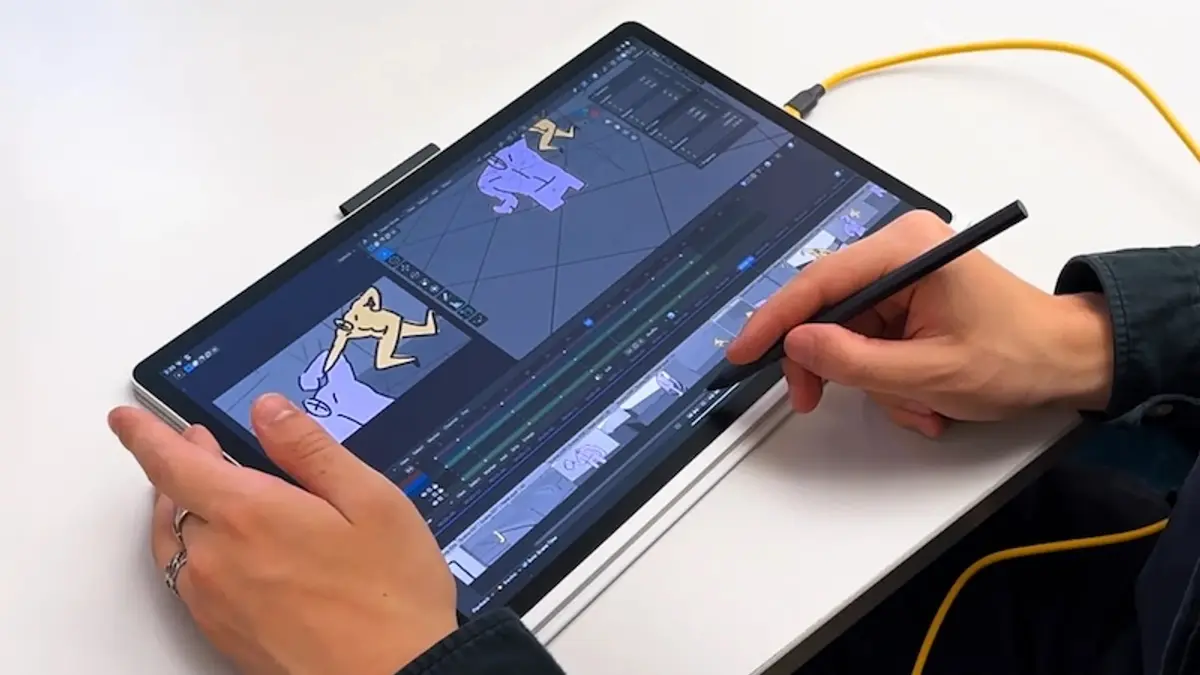
The Blender Foundation's public roadmap carries a project called Blender on the Go, and its entries spell out where the suite is heading next: a port that runs Blender natively on Android is listed as in development, while the parallel project to bring Blender to iPad and other iOS devices is marked on hold.
The two roadmap cards sit beside each other and describe the work in a single line each: port Blender to run natively on Android, and port Blender to run natively on iPad and other iOS devices. Checked on 1 October, the Android project carried 11 supporters on the Blender Development Fund and the iPad project six. Neither card commits to a release date, which is the honest position for a project inside a foundation that funds work month by month.
A tablet build already exists
What makes the Android entry more than a wish list is that Blender already publishes an official tablet demo for download from blender.org. The artwork attached to the roadmap project shows the real editor on a pen-driven tablet, timeline and sequencer panels included, rather than a stripped-back companion viewer. That is the significant part: the target is the desktop application, not a remote control for one.
Our opinion
Open-source creative tools have a long history of arriving on tablets as demos and leaving as abandonware, so the roadmap wording matters more than the roadmap entry: native is a much harder promise than a streaming or remote-desktop shortcut, and Blender has put it on the same page as the work its donors are paying for. The iPad project sitting on hold is the honest counterweight. Tablet hardware is now fast enough to run a real 3D suite, and one of the two tablet platforms is still waiting, which is a reminder that porting Blender is not a weekend of work but a rendering backend, an input model and a UI built for a mouse and keyboard. Android first is the sensible order. It is also a reminder of how much of the creative-tablet market lives on the other side of that fence.